

Vintage Tinned Fish · Millésime · Last Catch 2016
The Forgotten Tradition of Vintage Tinned Fish
Vintage tinned fish is no longer just a niche curiosity. Collectors now cellar sardines, track production years and search for disappearing tins the same way wine enthusiasts search for rare vintages.
If you spend enough time around serious tinned fish enthusiasts, you eventually notice something unusual: certain tins are spoken about the way collectors speak about wine vintages.
People discuss production years. Discontinued recipes. Oils that aged particularly well. Small regional canneries that vanished years ago. Entire batches that quietly disappeared from the market before most people even knew they existed.
Outside these niche communities, almost nobody realizes this world exists.
But for collectors and longtime enthusiasts, vintage tinned fish has become one of the most fascinating corners of modern food culture.
The Forgotten Tradition of Vintage Tinned Fish
The idea of aging canned fish is not new. In Portugal and France, producers have been intentionally aging sardines in tins for decades. Vintage sardines, known as millésime sardines, are often marked with production years, stored for years and opened only after long maturation.
Producers such as José GourmetNuri and Connétable helped turn the practice into a genuine subculture among collectors and gourmet food enthusiasts.
What sounds strange at first begins to make sense once you understand what happens inside a properly sealed tin over time.
The fish slowly infuses the oil. The texture softens. Sharp notes mellow. Smoke integrates more deeply. Bones become delicate and nearly imperceptible. What begins as preserved fish gradually becomes something richer, rounder and more complex.
Food writers often compare the process to aging wine or cheese, but the closest culinary comparison may actually be confit, a slow transformation happening inside a sealed environment over years.
Why Aging Works
Properly canned fish is one of the most shelf-stable foods ever created. During commercial sterilization, the tins are heated to high temperatures, typically around 120°C, eliminating microorganisms and creating a hermetically sealed environment.
No oxygen. No bacterial activity. No spoilage.
What remains is a stable ecosystem where oil, fat, protein and seasoning continue interacting slowly over time.
For experienced collectors, aging is not deterioration. Aging is maturation.
This is why experienced tinned fish collectors often seek out older tins rather than newer ones. In the right conditions, aging transforms preserved fish into something more refined and layered.
A Hidden Collector Culture
Over the last few years, online communities dedicated to vintage tinned fish have quietly exploded in popularity.
Collectors discuss vintages and aging potential on communities like r/Tinnedfish and r/CannedSardines. Sites like Tinventory catalog thousands of tins, while projects such as AllTinned document disappearing brands and regional products.
For many enthusiasts, the appeal goes far beyond convenience food.
Vintage tins represent craftsmanship, regional identity, preservation traditions and culinary history that is slowly disappearing from the modern food industry.
Production years matter
Enthusiasts track vintages, oils, canneries and aging potential the way wine lovers track rare bottles.
Disappearing tins
Small canneries close, recipes change and entire production runs quietly vanish forever.
Beyond Sardines: The Rare World of Aged Freshwater Fish
Most vintage tin culture revolves around sardines, mackerel, tuna and anchovies. Freshwater fish has historically been almost absent from the conversation.
That is partly because freshwater species behave differently during sterilization and aging. Bone structure, fat composition and texture make long-term maturation far more difficult to execute successfully.
In 2004, Serbian fish technologist Milovan Trišić began developing a high-temperature sterilization process specifically designed for freshwater fish.
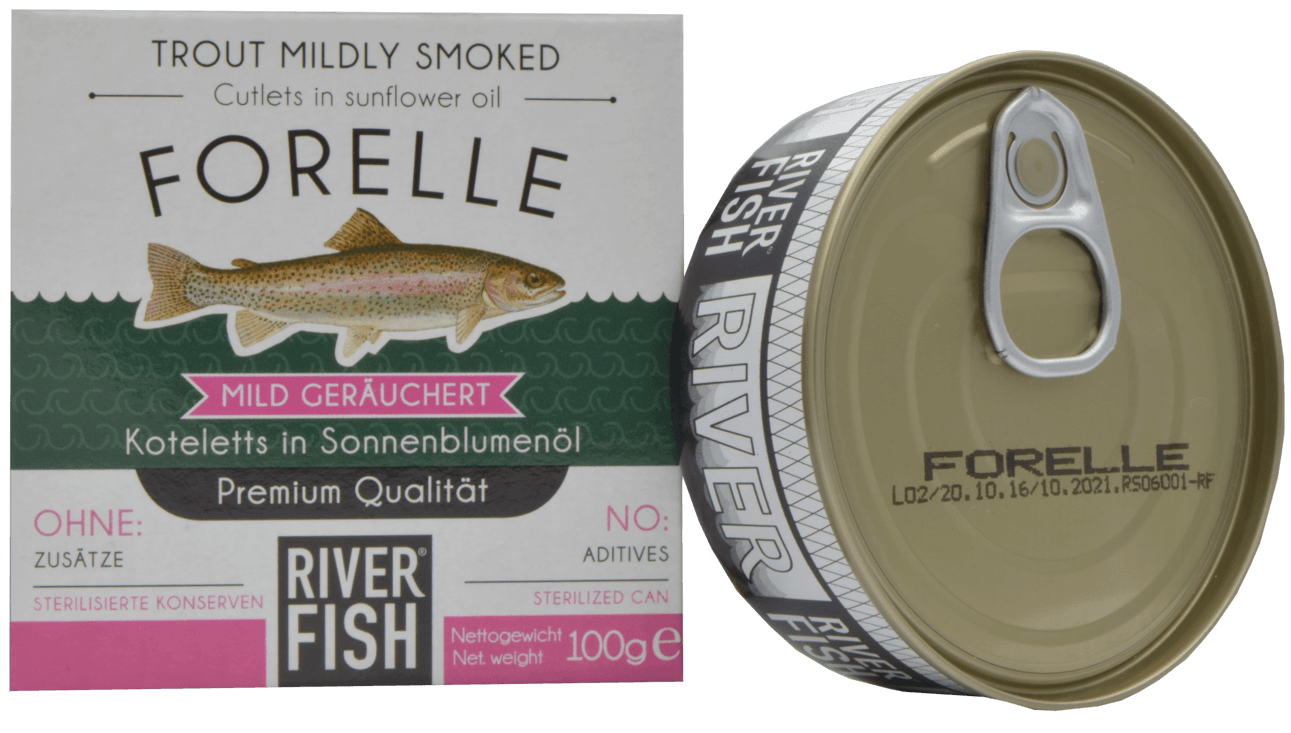
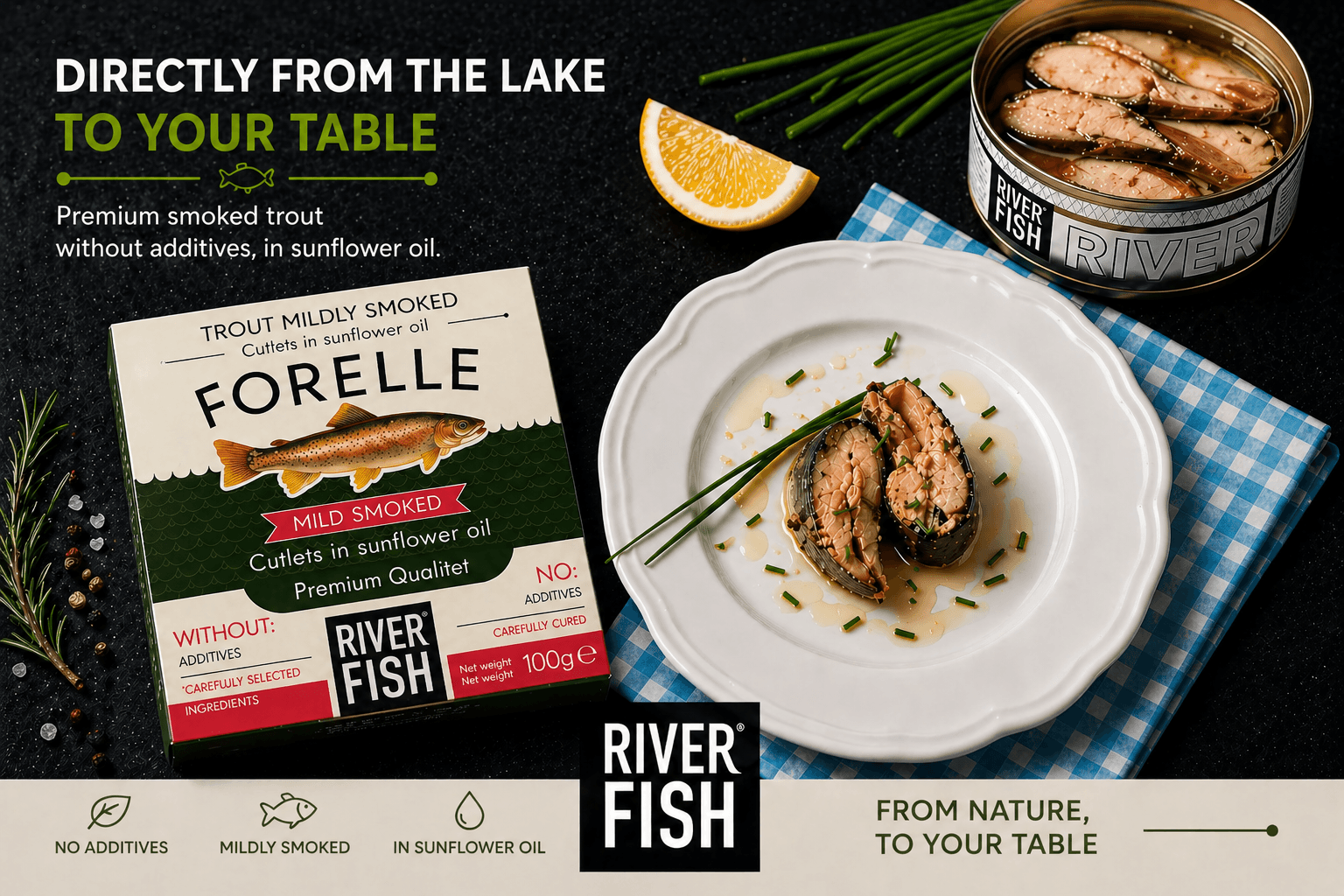
After years of experimentation, River Fish DOO produced a final batch in October 2016: lightly smoked rainbow trout from Lake Zaovine, Zlatibor, preserved in sunflower oil and sea salt.
Then the company disappeared.
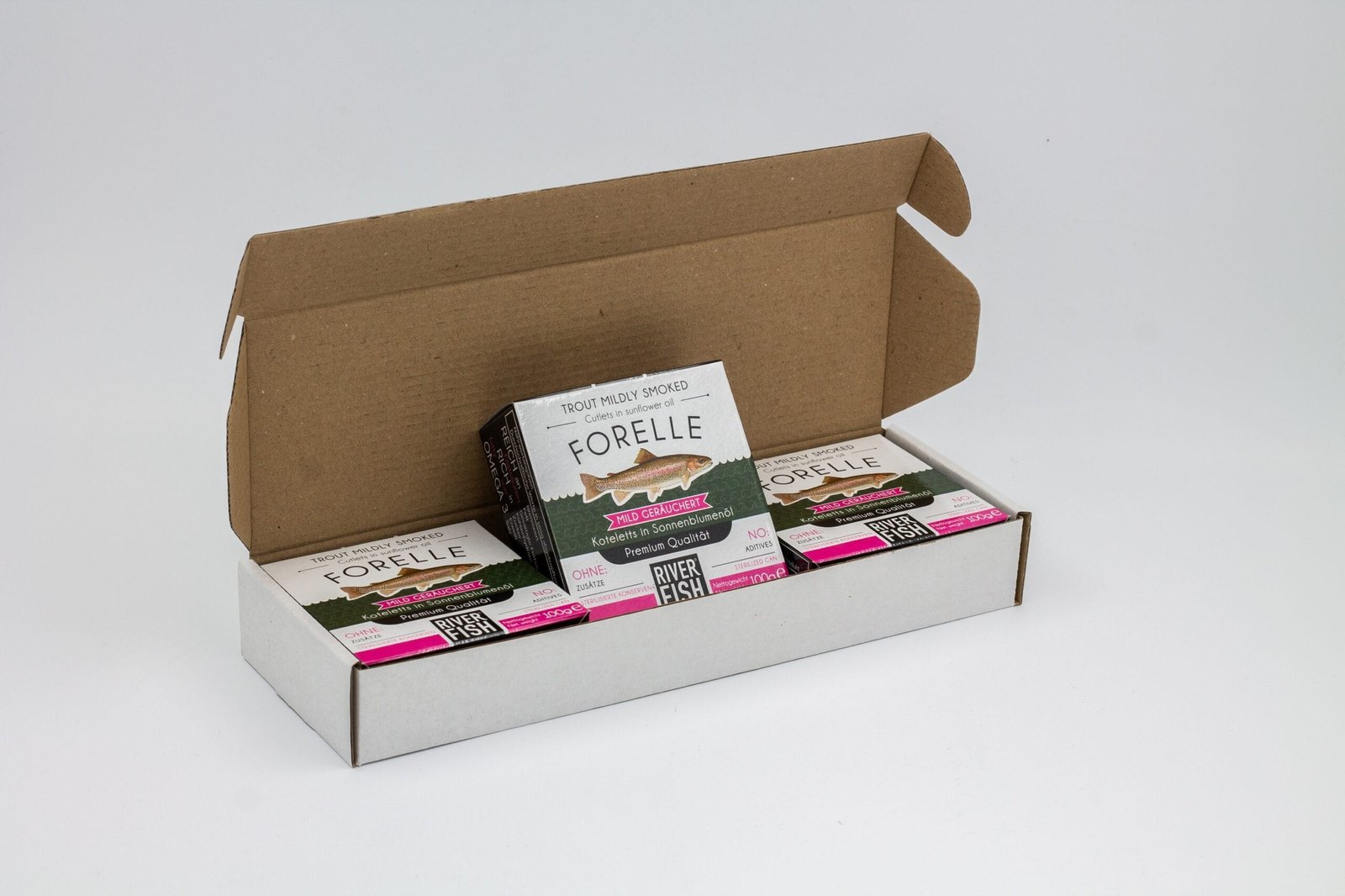
The Last Catch 2016 Batch
Today, around 6,000 tins from that final production remain.
They have now been aging quietly inside their tins for nearly a decade.
When opened years later, the transformation is remarkable. The beechwood smoke becomes softer and more integrated. The texture turns buttery and delicate. The fish develops a deeper, rounder character entirely different from fresh production.
Three ingredients only: trout, sunflower oil, sea salt. No preservatives. No additives.
Last Catch 2016 may be one of the rarest examples of intentionally matured freshwater tinned fish still available today, not because it was designed as a marketing concept, but because the product itself quietly continued evolving inside the tin long after production ended.
Why Vintage Tinned Fish Matters
Modern food culture moves fast. Most products are designed for immediate consumption, rapid turnover and constant replacement.
Vintage tinned fish belongs to a completely different philosophy. It rewards patience. Curiosity. Storage. Memory.
A great aged tin is not simply preserved food. It becomes a time capsule of a specific producer, season, region and method that may never exist again in exactly the same form.
That is why collectors search for disappearing tins. Why people cellar sardines for years. Why production dates matter.
And why this once-overlooked category has quietly become one of the most fascinating niches in the gourmet world.
Discover a freshwater vintage tin
The final 2016 batch of Last Catch aged smoked trout is still available while supplies last. Around 6,000 tins remain worldwide.
Secure your can · €45