

The River Fish technology · Artisan Process
The Technology
A pristine freshwater fish curation workflow that did not exist, engineered from absolute necessity by a single mind.
“It demanded two years of solitary devotion and rigorous structural calibration to finally master it, establishing a reliable, additive-free standard for freshwater maturation.”
Milovan Trišić, Founder, River Fish
The Conflict
River Fish technology:
Beyond Marine Standards
The evolution of the River Fish technology began in 2004 when founder Milovan Trišić set out to preserve fine freshwater catches, only to discover a total methodological void. Traditional Mediterranean and Nordic canning processes, which dictate nearly the entire global market, were engineered exclusively for marine species. Applied directly to delicate river fish, those heavy methods completely failed.
He dedicated two years to developing an independent third methodology: a unique convergence of low-impact thermal curation and specialized thermostatting that yields perfectly stable catches with fully softened, edible bones.
This delicate methodology was carefully applied to fine varieties of carp, pike-perch, catfish, and rainbow trout between 2007 and 2016. The ultimate, most complex statement of this work culminated in Last Catch 2016, representing the historical pinnacle of the River Fish technology workflow.
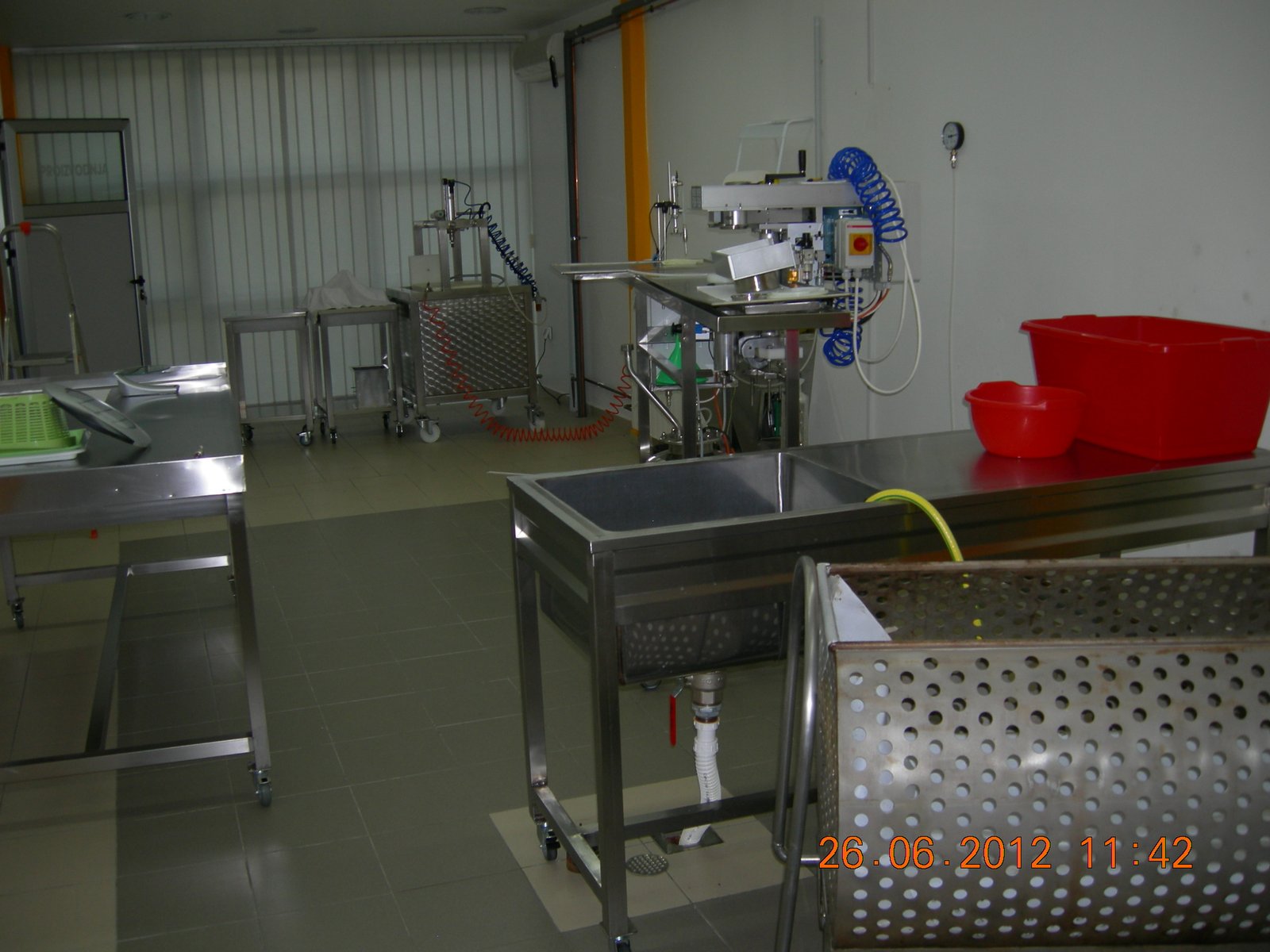
The River Fish Atelier · Belgrade Archive
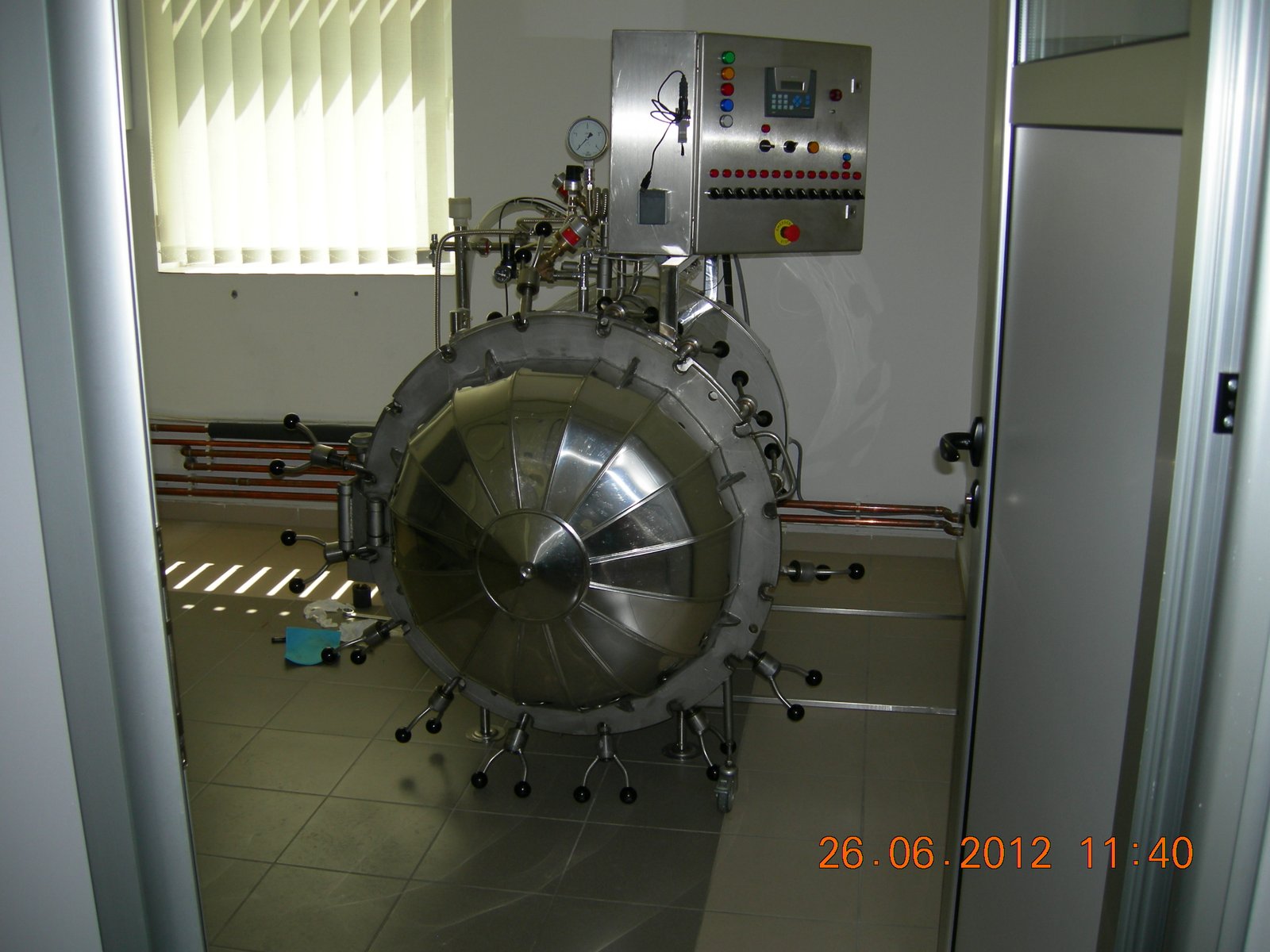
Thermal Instruments · Calibrated Core
The Architecture
River Fish technology:
The Curation in Six Disciplines
Deep-Water Selection
Pristine rainbow trout are sourced directly from the glacial, high-altitude currents of Lake Zaovine, cradled within the alpine forests of the Tara Mountains. Each catch faces rigorous, individual selection to ensure flawless structural density.
Artisanal Beechwood Infusion
The fish undergoes a delicate exposure to natural beechwood embers, tracing a slow, cold-smoke lineage that shadows the trout with a quiet smoky profile without obscuring its clean, native essence.
The Three Elements
The smoked pieces are arranged within noble tins, bathed in pure cold-pressed sunflower oil and a precise micro-dosage of fine sea salt. The recipe permits no stabilizers, zero synthetic accents, and no artificial coloring.
River Fish technology: Controlled Thermal Curation
Central to the River Fish technology, the sealed units enter a specialized thermal environment, maintaining a strict temperature equilibrium to eliminate all vulnerability. This precise phase alters the fish, rendering the delicate bone structure entirely soft and edible.
River Fish technology: The 21-Day Rest
An exclusive discipline within the River Fish technology, the sealed reserve is held in absolute isolation for 21 days. This specific thermostatting sequence verifies hermetic equilibrium and initiates the long, decade-spanning maturation journey.
The Vintage Epoch
The definitive October 2016 reserve was vaulted undisturbed for ten years. Much like a noble Burgundy, the internal profile matured into an intricate, melting tapestry of deep umami notes, completely distinct from any fresh harvest.
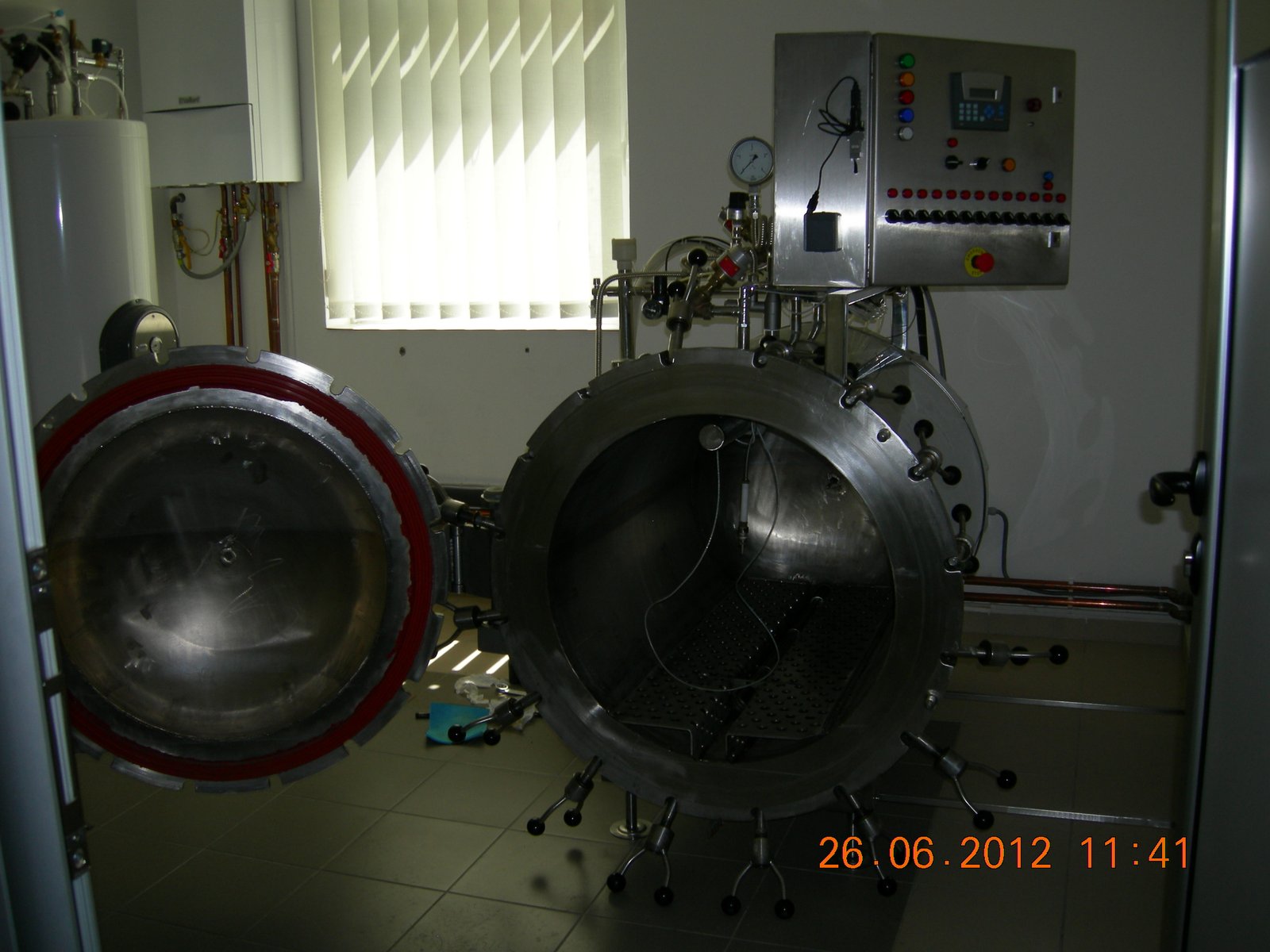
Internal Curation Chamber
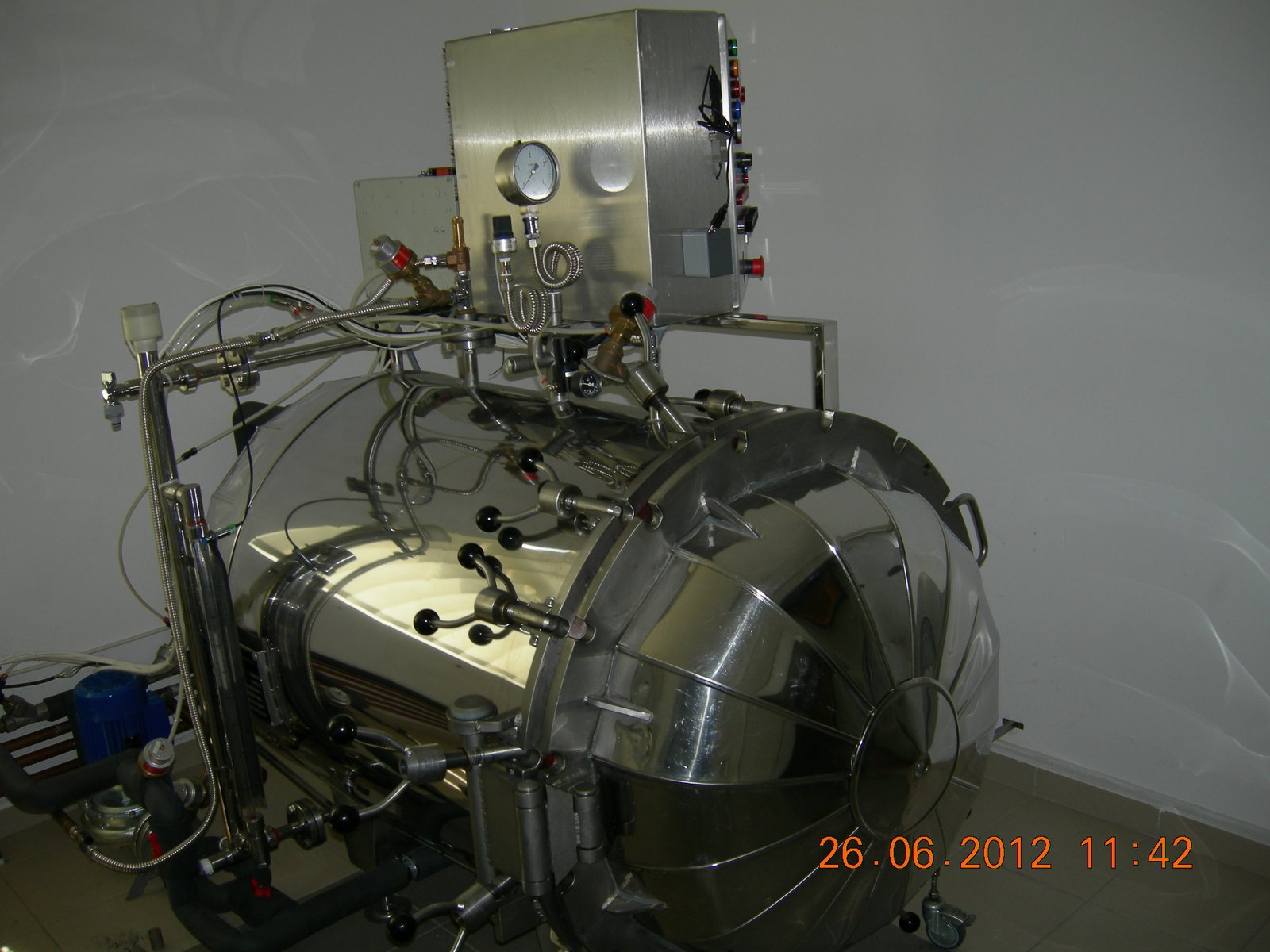
Bespoke Control Array

Reverse Osmosis Filtration Array
Scientific Integrity
River Fish technology
And The Science of Time
“At the London Great Exhibition, an archive tin aged for 38 years was opened before an elite panel, revealing a content that remained perfectly pristine.“
The foundational science established by Nicolas Appert in 1804 remains absolute: flawless hermetic sealing paired with precise thermal curation creates a timeless internal environment completely insulated from degradation. The River Fish technology was built specifically to extend this law to noble freshwater species, which had no historical precedent of independent maturation before 2004. Standard administrative dates printed on commercial packaging reflect a legal requirement, not a scientific limit. For the 2016 vintage, that formal window pointed to October 2021, yet the empirical science confirms that the true evolution has only just reached its apex.
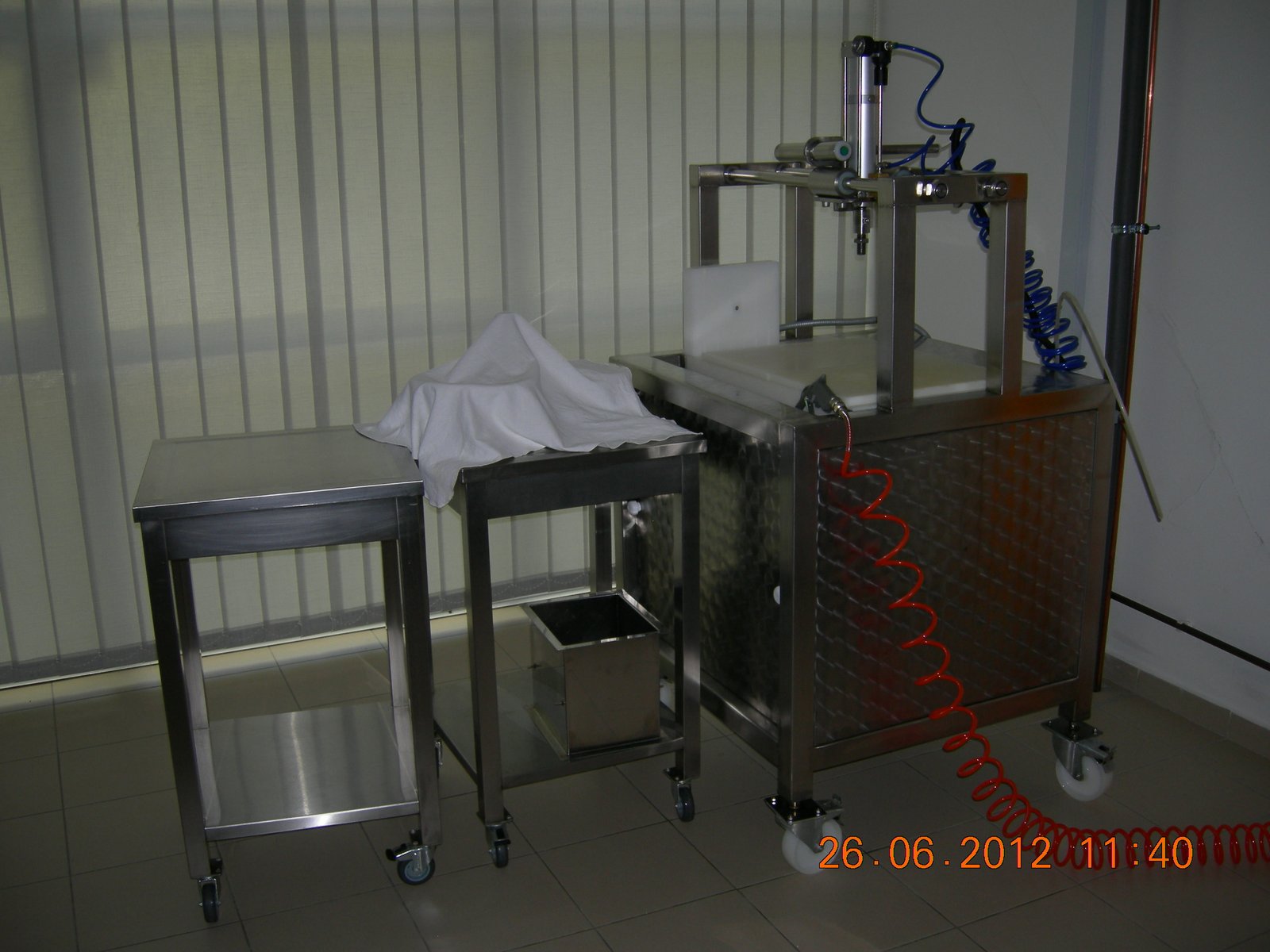
Artisan Calibrated Portioning Array
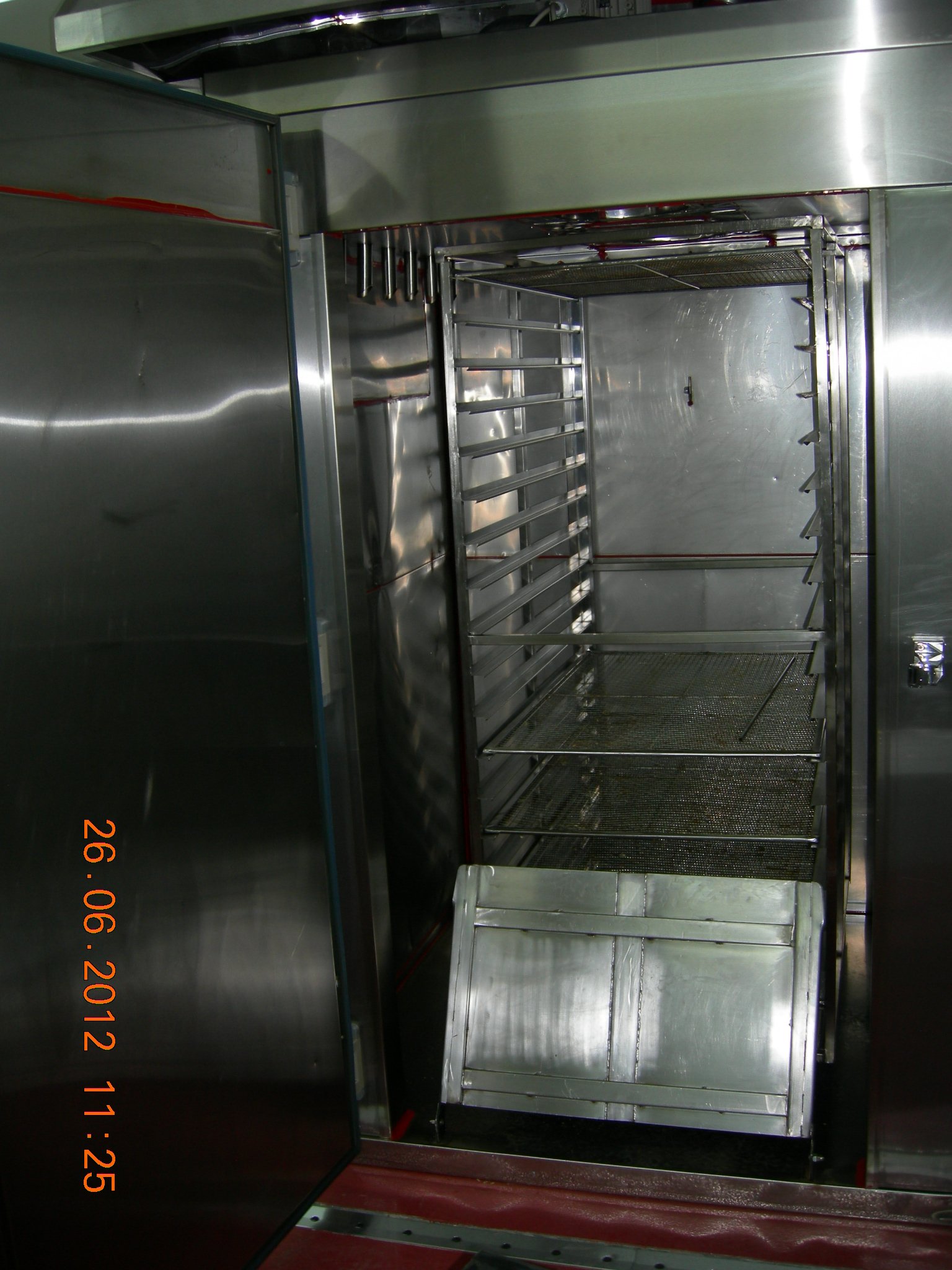
Natural Beechwood Curing Chamber
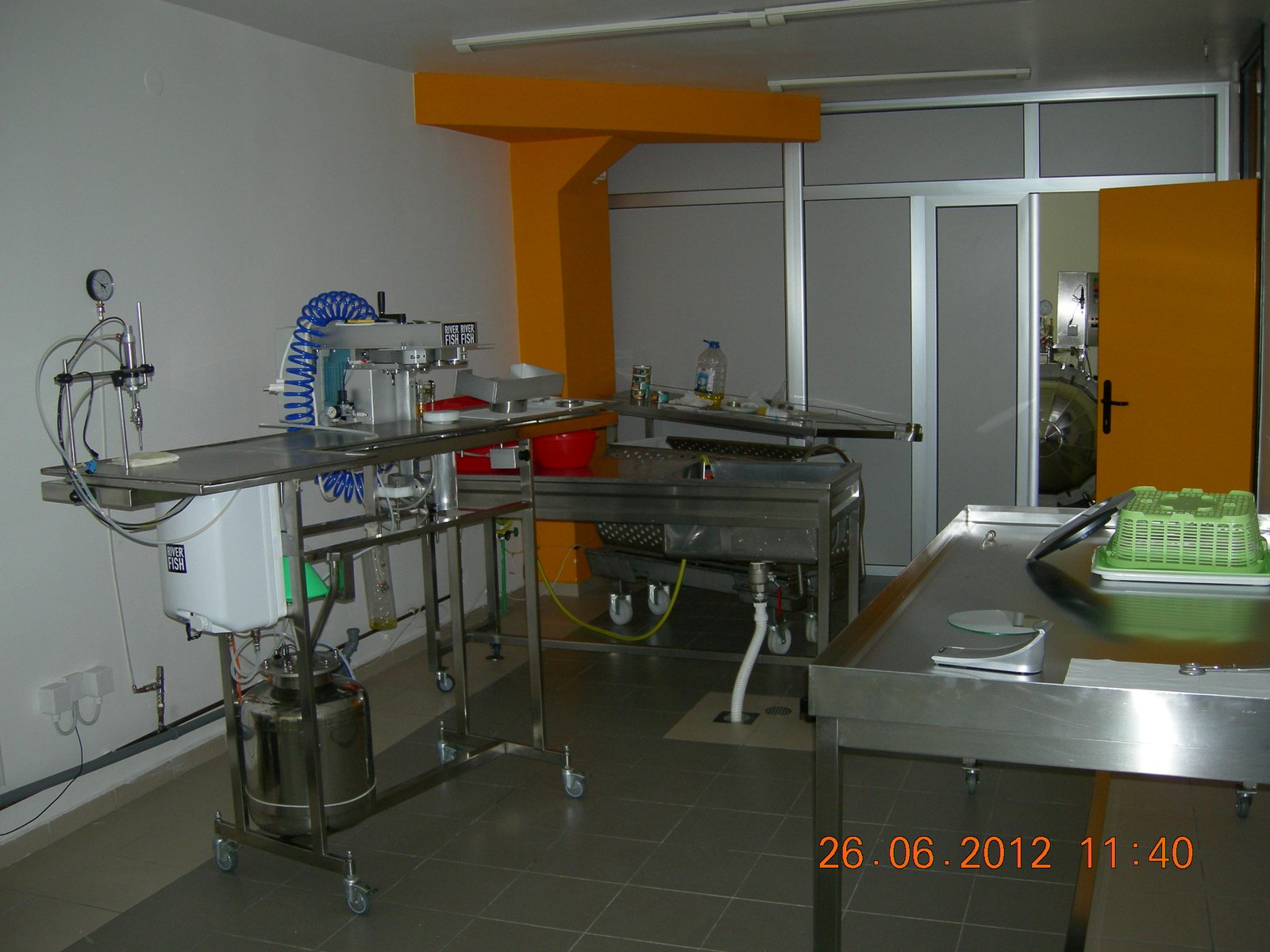
Hermetic Sealing Station · Prestige Vaulting
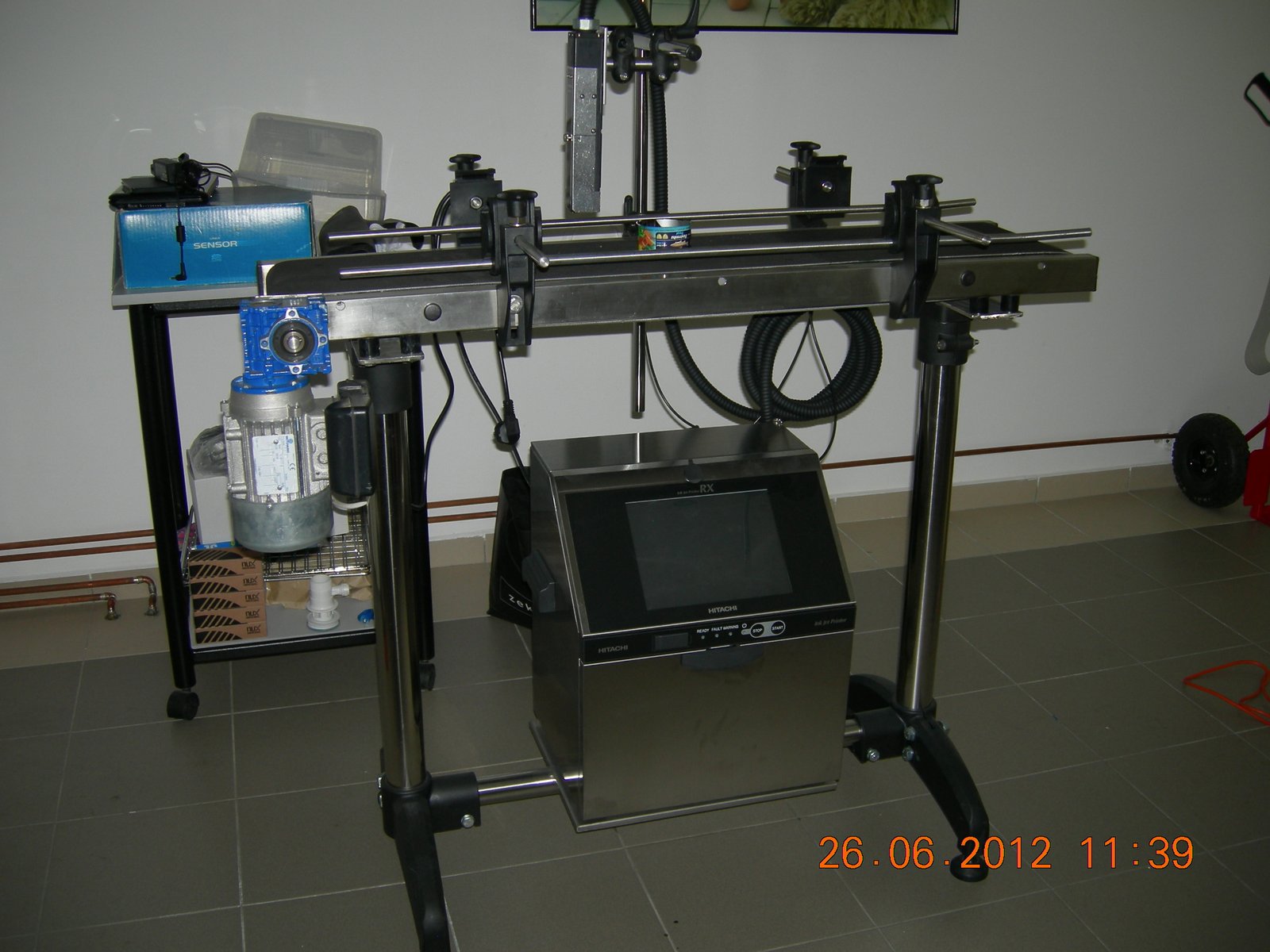
Archival Coding Array · Batch Authentication
The Distinction
What Makes
River Fish technology Unique
River Fish technology: First In Freshwater Curation
This remains the premier, and only, methodology engineered solely for the cellular requirements of river species. Developed meticulously between 2007 and 2016, the blueprint exists as an independent culinary monument.
River Fish technology: Architectural Bone Melting
The precise equilibrium of heat and pressure dissolves the complex bone structures completely. The vintage catch can be savored entirely uninterrupted, solving a historical limitation of freshwater gastronomy.
River Fish technology: Absolute Additive Absence
The process requires no stabilizers, zero enhancers, and no synthetic oils. The pure thermal orchestration achieves flawless stability naturally, allowing the three elemental ingredients to speak for themselves.
The Core Discipline
How River Fish technology
Sterilization Achieves Balance
The River Fish technology leverages a profound alliance of minimal thermal execution and hermetic isolation, creating a static interior vacuum completely sealed against atmospheric change.
Under these vaulted conditions, the noble trout is left to mature safely, evolving its structural sugars into dense umami layers over decades of undisturbed rest.
Experience the Process
Through Last Catch 2016
Exactly 6,000 vintage artifacts survive from this legendary technological convergence. Secure a monument to independent craftsmanship before the archive is empty. Last Catch 2016 stands as the definitive expression of this craft.
Acquire a Sealed Artifact