

Japanese Canned Fish · Premium Kanzume · Gourmet Seafood
Japanese Canned Fish: Premium Kanzume Culture
Discover the world of Japanese canned fish, where premium seafood preservation meets gourmet tradition. From Nagasaki’s first sardines to legendary Yui Canning tuna, explore the art of kanzume.
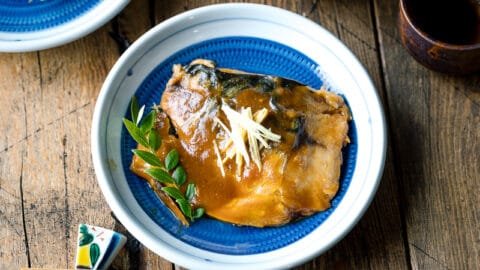
Japanese canned fish represents a distinct philosophy of seafood preservation that differs fundamentally from Western approaches. When thinking of premium tinned fish, most people envision Portuguese sardines or French millésime varieties. However, Japanese canned fish, known as kanzume (缶詰), offers a sophisticated alternative that prioritizes culinary harmony over simple preservation. For collectors and gourmet enthusiasts, this tinned seafood is not just food; it is a fully realized dish in a tin.
The world of Japanese kanzume encompasses everything from classic sardines to premium tuna, each prepared using traditional recipes that have been perfected over generations. This guide explores the history, philosophy, and legendary producers that make these products a must-have for serious collectors and food enthusiasts. For more information on premium seafood traditions, SHUN GATE offers excellent insights into Japanese artisanal production.
Japanese canned fish is distinguished by its focus on umami, texture integrity, and balance, creating a gourmet experience that extends far beyond ordinary pantry staples.
History of Japanese Canned Fish in Nagasaki

The story of Japanese canned fish begins during the Meiji era (1868 to 1912), when Japan rapidly modernized and adopted Western technologies. The first production of its kind began in Nagasaki in 1871, marking the beginning of a unique approach to seafood preservation. Sardines (iwashi) were chosen because they were abundant, nutritious, and already central to Japanese cuisine. Detailed historical context can be found through Sardinelewhich documents the evolution of Japanese canning.
Unlike European producers who focused on simple oil preservation, Japanese makers adopted a distinctly culinary approach. They prepared sardines with soy sauce, miso, ginger, and ume plums, transforming each tin into a complete, balanced meal. This philosophy established Japanese canned fish as a premium product from its inception, setting it apart from mass-market alternatives.
What Makes Japanese Canned Fish Special: The Philosophy of Taste
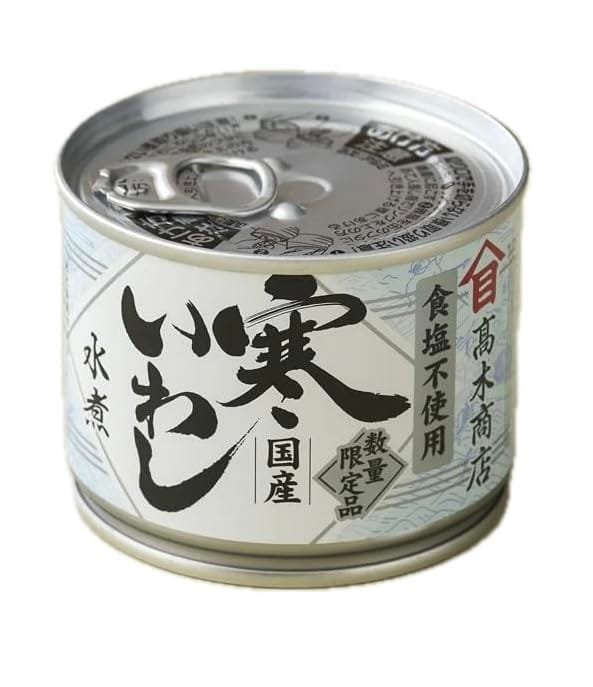
Japanese canned fish stands apart through its focus on three essential elements: umami, texture integrity, and balance. Umami, the deep, savory flavor at the heart of Japanese cuisine, is the primary goal in every tin. Unlike Western varieties that rely heavily on oil, Japanese makers use carefully selected broths and sauces to enhance natural flavors. You can explore more about these flavors on TasteAtlaswhich features top gourmet brands.
The texture of the seafood is carefully preserved to remain tender yet firm. This is achieved through precise thermal processing and the selection of premium catch. Additionally, recipes balance saltiness, sweetness, and acidity to create a harmonious flavor profile that can be enjoyed alone or with rice.
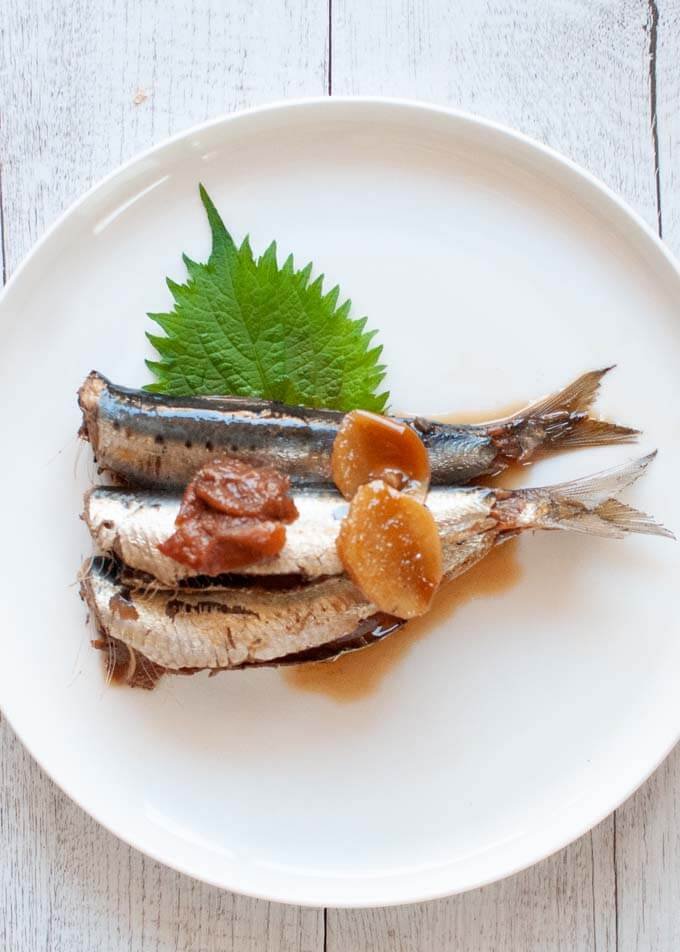
Classic preparations include Iwashi no Shōyu-ni (sardines in soy sauce), Iwashi no Miso-ni (sardines in miso), and Iwashi no Shōga-ni (sardines with ginger). Each represents a different approach to preserving traditional flavors.
The Pride of Suruga Bay
Established in 1933, Yui Canning produces exceptional Japanese canned fish using only summer-caught bincho-maguro tuna, matured for six months to achieve perfection.
Regional Seafood Mastery
Based in Rikuzentakata, Time Canning specializes in delicacies that capture the essence of local fishing traditions and premium seafood.
Gourmet Culture: Kanzume Bars and Collectors

In Japan, Japanese canned fish has evolved beyond a simple food product into a cultural phenomenon. Specialized establishments called Kanzume Bars dedicate themselves entirely to these tins, offering hundreds of varieties and pairing them with beverages. These venues treat the contents as otsumami (premium snacks to accompany drinks), elevating the status of tinned seafood in Japanese culinary culture. More about this unique experience can be read at DiGJAPAN!.
The collector community surrounding Japanese canned fish continues to grow globally. Enthusiasts seek rare varieties, vintage tins, and limited-edition items from specific producers and years. The aesthetic appeal of the packaging, often featuring beautiful retro designs and traditional calligraphy, adds to their value as collectible items.
Pairing Japanese Canned Fish: Sake and Wine Recommendations
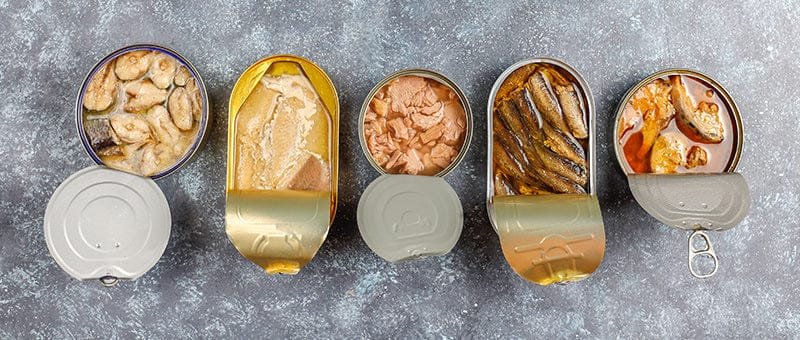
To fully appreciate Japanese canned fish, proper pairing is essential. While European tins are typically enjoyed with wine, Japanese varieties pair beautifully with sake. The delicate structure of the fish requires beverages that enhance rather than overpower its nuanced flavors.
For Iwashi no Shōyu-ni (sardines in soy sauce), Junmai or Junmai Ginjo sake works exceptionally well, as does a dry Riesling for wine drinkers. Iwashi no Miso-ni (sardines in miso) pairs with Junmai sake or Chenin Blanc. The ginger-based Iwashi no Shōga-ni complements dry, light sake, while Iwashi no Ume-ni (sardines with plums) matches beautifully with lightly sweet or semi-dry sake.
From Japan to the Last Catch Collection
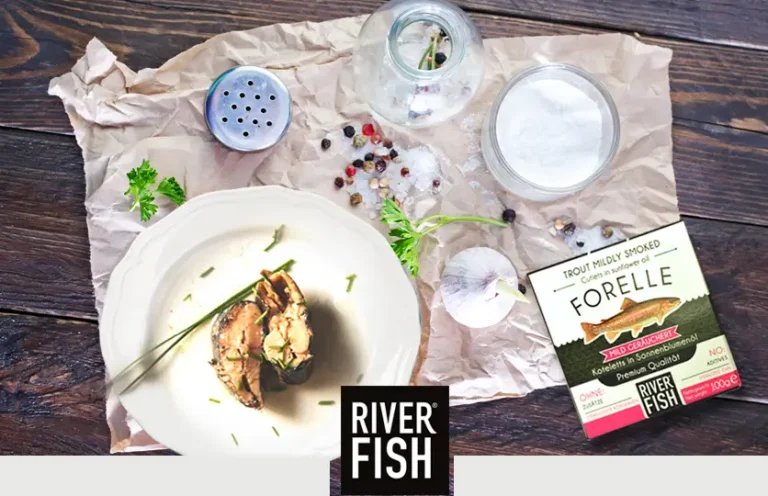
The dedication to quality seen in Japanese kanzume mirrors the philosophy behind our own rare finds. While you explore global traditions, discover a unique piece of European history: Last Catch 2016. This vintage smoked trout represents a disappearing technology of freshwater preservation, now available exclusively for serious collectors.
Explore Last Catch 2016