

Omiyage Gift · Japanese Gift Culture · Premium Food Gifts
The Art of Omiyage: Japan’s Most Thoughtful Gift Tradition
In Japan, bringing back the perfect gift is not optional it is a deeply honoured social ritual. Discover the tradition of the omiyage gift and why a truly rare European delicacy from Serbia may be the most extraordinary omiyage gift a collector can give.
In Japanese culture, returning from a journey without an omiyage gift for friends, family and colleagues would be considered a serious breach of social etiquette. This deeply ingrained tradition is called omiyage (お土産), and it is one of the most nuanced expressions of care, respect and appreciation that Japanese society has produced over centuries.
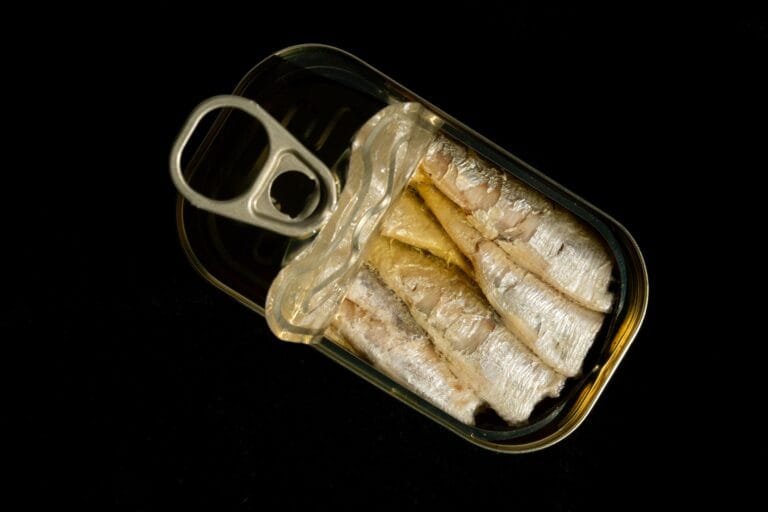
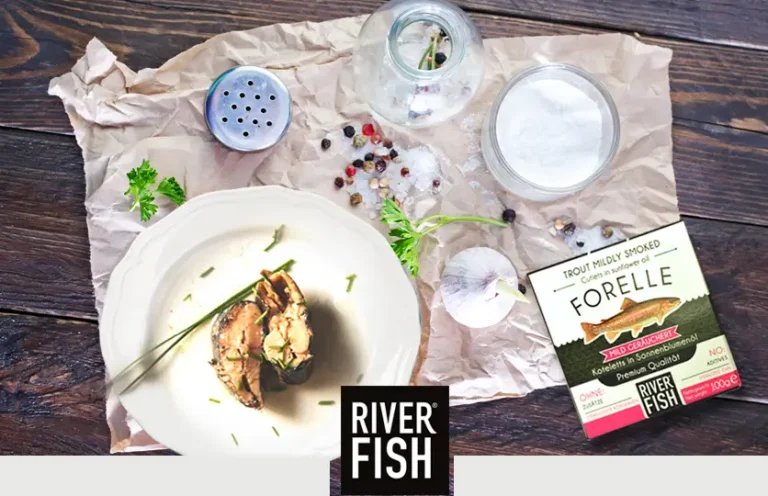
For the international connoisseur and serious collector, understanding omiyage opens a window into why certain rare and extraordinary food products carry a weight far beyond their physical form. A Last Catch 2016 a tin of 10-year-aged vintage trout from Serbia’s Zlatibor mountains belongs precisely in this world.
Omiyage is not simply a souvenir. It is an act of social connection, a physical expression of the thought: “I was away, and I thought of you.”
The Roots of the Omiyage Gift: From Shinto Shrines to Gourmet Shops
Omiyage’s origins stretch back centuries, to an era when long pilgrimages to sacred Shinto shrines were a significant part of Japanese life. Pilgrims who undertook these journeys sometimes weeks or months long would return bearing blessed objects or local specialties as proof of their travels and as tokens of goodwill for those who had remained behind. The gift was simultaneously an offering, a story and a bond.
Over time, as Japanese society modernised, the tradition evolved. The spiritual dimension gave way to a broader cultural one: any journey, any absence, called for a thoughtful return. By the Meiji era (1868 to 1912), omiyage had become deeply woven into the fabric of daily Japanese life from family trips to business travel. Today, major transport hubs across Japan dedicate entire floors to carefully curated omiyage, and the omiyage market is worth billions of yen annually.
What has never changed is the underlying principle: the gift must represent the place it came from, and it must be chosen with genuine care for the recipient.
What Makes the Perfect Omiyage Gift: The Four Principles

Not every gift qualifies as true omiyage. Japanese culture has developed an implicit set of criteria that elevates certain products above others. These four principles guide what makes an omiyage genuinely exceptional:
I. Regional Uniqueness
The gift must originate from a specific place and be impossible or extremely difficult to obtain elsewhere. This exclusivity transforms the object from a commodity into a story. The recipient understands immediately: you went somewhere remarkable and brought a piece of it back. Last Catch 2016, produced in a single batch from Lake Zaovine in Serbia’s Zlatibor mountains in October 2016, fulfils this criterion absolutely. There are 6,000 tins in existence. When they are gone, they are gone forever.
II. Craftsmanship and Provenance
Japanese omiyage culture prizes products made with evident skill and an identifiable origin. The story behind the object matters as much as the object itself. Milovan Trišić spent years developing a proprietary sterilisation process with no industrial equal. The rainbow trout came from a single lake, fed by mountain spring water. The company dissolved in 2017, taking its unique technology with it. Every can of Last Catch 2016 carries this provenance in every detail.
III. Beautiful Presentation
In Japan, wrapping is not an afterthought it is part of the gift’s meaning. The presentation signals the giver’s sincerity and respect. Last Catch 2016 arrives in numbered collector packaging that reflects its status as a relic, not a pantry item. For the serious collector receiving this as omiyage, the unboxing is itself an experience.
IV. Rarity That Cannot Be Manufactured
Mass production is antithetical to true omiyage. The most prized gifts are those where time and circumstance have conspired to create something that cannot be replicated. Aged Parmesan, single-cask whisky, first-growth Bordeaux from a legendary year these are the reference points. Last Catch 2016 belongs to this lineage. Ten years of silent maturation in a sealed can has transformed the fish into something that fresh products can never achieve.
Ochugen and Oseibo: Omiyage Gift Seasons in Japan
Beyond omiyage, Japan observes two major seasonal gift-giving traditions that represent the pinnacle of premium food gifting. Ochugen (お中元), given in July, expresses gratitude for relationships that have sustained you through the first half of the year. Oseibo (お歳暮), given in December, closes the year with a considered token of appreciation for those who have supported you.
Both traditions demand gifts that communicate discernment. The history of ochugen and oseibo stretches back to the Edo period, when gift-giving was formalised as a social and commercial institution. Premium sake, aged vinegars, artisan preserved seafood, first-flush teas these are the languages of ochugen and oseibo. A Last Catch 2016 speaks this language fluently. It is aged, it is rare, it carries a compelling story, and it exists in finite quantity. For the recipient who appreciates the world of fine food and collection, it communicates something that no mass-produced product ever could.
The Mid-Year Gratitude
Given in July, ochugen honours relationships and expresses appreciation for support throughout the first half of the year. Premium gourmet food rare, artisanal, impossible to find is among the most respected choices.
The Year-End Tribute
Given in December, oseibo closes the year with a thoughtful gesture to mentors, partners and those who matter most. A collector’s item of documented provenance and finite supply carries exceptional weight as oseibo.
Why Last Catch 2016 Is the Ultimate Omiyage Gift
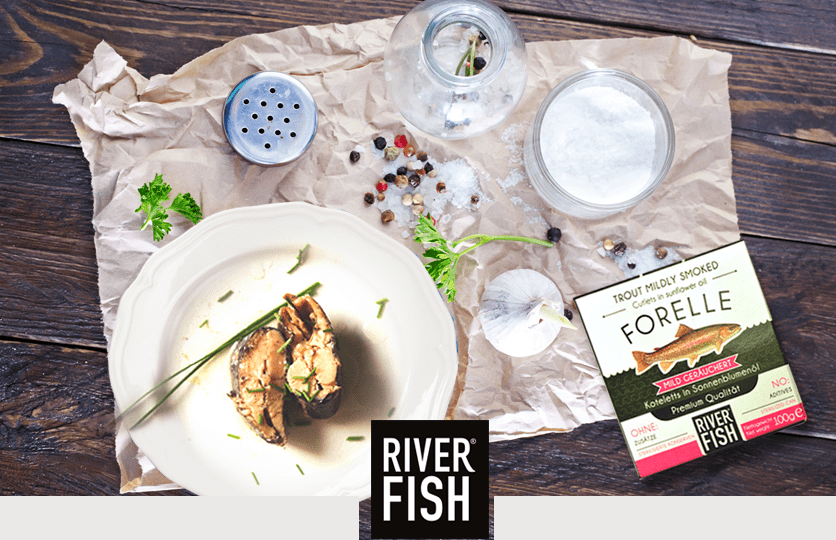
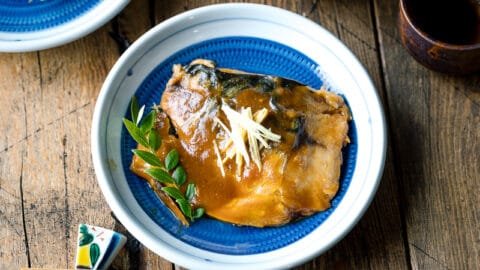
Japan already has a sophisticated relationship with preserved and aged fish. From the ancient tradition of narezushifermented fish that is the ancestor of modern sushi to the premium kanzume culture explored in our guide to Japanese canned fishthe appreciation for time as an ingredient in seafood preparation is deeply embedded in Japanese culinary sensibility.
Last Catch 2016 arrives from a different geography but with a shared philosophy. The rainbow trout of Lake Zaovine was processed in October 2016 using a sterilisation method developed over years by a single founder a method that has since been lost. The tin was sealed, and ten years of undisturbed maturation began. The amino acids deepened into extraordinary umami complexity. The sunflower oil merged with the fish in what the millésime concept recognises as harmonious symbiosis. The protein structure achieved a tenderness no fresh product can replicate.
When a Japanese collector opens a Last Catch 2016 in 2026, they are not eating preserved fish. They are completing a decade of time. That is the essence of a remarkable omiyage: it carries a story that continues in the hands of the person who receives it.
“What wine gains through cellar aging, we have achieved through maturation in the can. Time has always been our most precious ingredient.” Milovan Trišić, Founder, River Fish DOO
How to Acquire Last Catch 2016 as an Omiyage Gift
For collectors and gift-givers considering Last Catch 2016 as omiyage, oseibo or ochugen, the following formats are available with worldwide shipping:
One Can · €45
The singular gesture. One tin, one story. For the collector who understands rarity an omiyage that will not be forgotten.
Three Cans · €129
Three tins presented together. One to open, two to keep. The ideal format for oseibo gifting to a partner or mentor of significance.
Free global shipping is available from 12 units the Archive Edition making it a practical choice for those gifting across a circle of close colleagues or partners during ochugen or oseibo season.
Secure Your Last Catch 2016
Only 6,000 tins exist worldwide. No reissue, no restock. Once this contingent is exhausted, this chapter of culinary history closes permanently. For omiyage that carries a decade of meaning this is it.
Explore Last Catch 2016