

Seonmul Gift · Korean Gift Culture · Premium Food Gifts
The Art of the Seonmul Gift: Korea’s Tradition of Care and Jeong
In South Korea, a gift is never simply an object. It carries jeong, a deep sense of connection, and it is a carefully measured expression of respect toward both the occasion and the person. Discover Korean gift culture and why a ten-year-aged trout from Serbia speaks the exact language that a Korean connoisseur recognizes at once.
In Korean society, arriving as a guest with empty hands is considered a mark of carelessness. Behind every thoughtful gift stands jeong (정), a word difficult to translate directly. It describes the warm, lasting bond that forms between people over the years, a bond woven from attention, loyalty and shared time. A gift is the tangible proof of that feeling.
For the international connoisseur and serious collector, understanding Korean gift culture opens a window into a world where certain rare and exceptional foods carry a weight far beyond their price. Last Catch 2016, a tin of ten-year-aged vintage trout from Serbia’s Zlatibor, belongs precisely to that world. This article follows our guide to the Japanese omiyage tradition.
A Korean gift is not a mere formality. It is a tangible expression of jeong, a thought that says: our bond matters to me, and I had you in mind.
The Roots of Korean Gift Culture: Jeong, Reciprocity and Nunchi
Korean gift culture rests on a few foundational principles. The first is jeongthe emotional bond that gives a gift meaning beyond its material value. The second is reciprocity: a gift creates a gentle, welcome obligation to one day return the kindness, keeping the relationship alive. The third is respect for hierarchy and age, since a carefully chosen gift for an elder or a superior conveys respect in a way words cannot.
Above all stands nunchi (눈치), the subtle art of reading the situation and the person before a gift is chosen. A true Korean giver does not select a gift for themselves but for the recipient, mindful of their taste, status and the moment. This is exactly why the most valued gifts are those that reveal insight and effort, not merely the sum spent.
What Makes the Perfect Korean Gift: Four Principles
Not every gift is a true gift. Korean culture has developed an unspoken set of criteria that lifts certain products above the rest. These four principles define what makes a gift truly exceptional:
I. Prestige and Quality
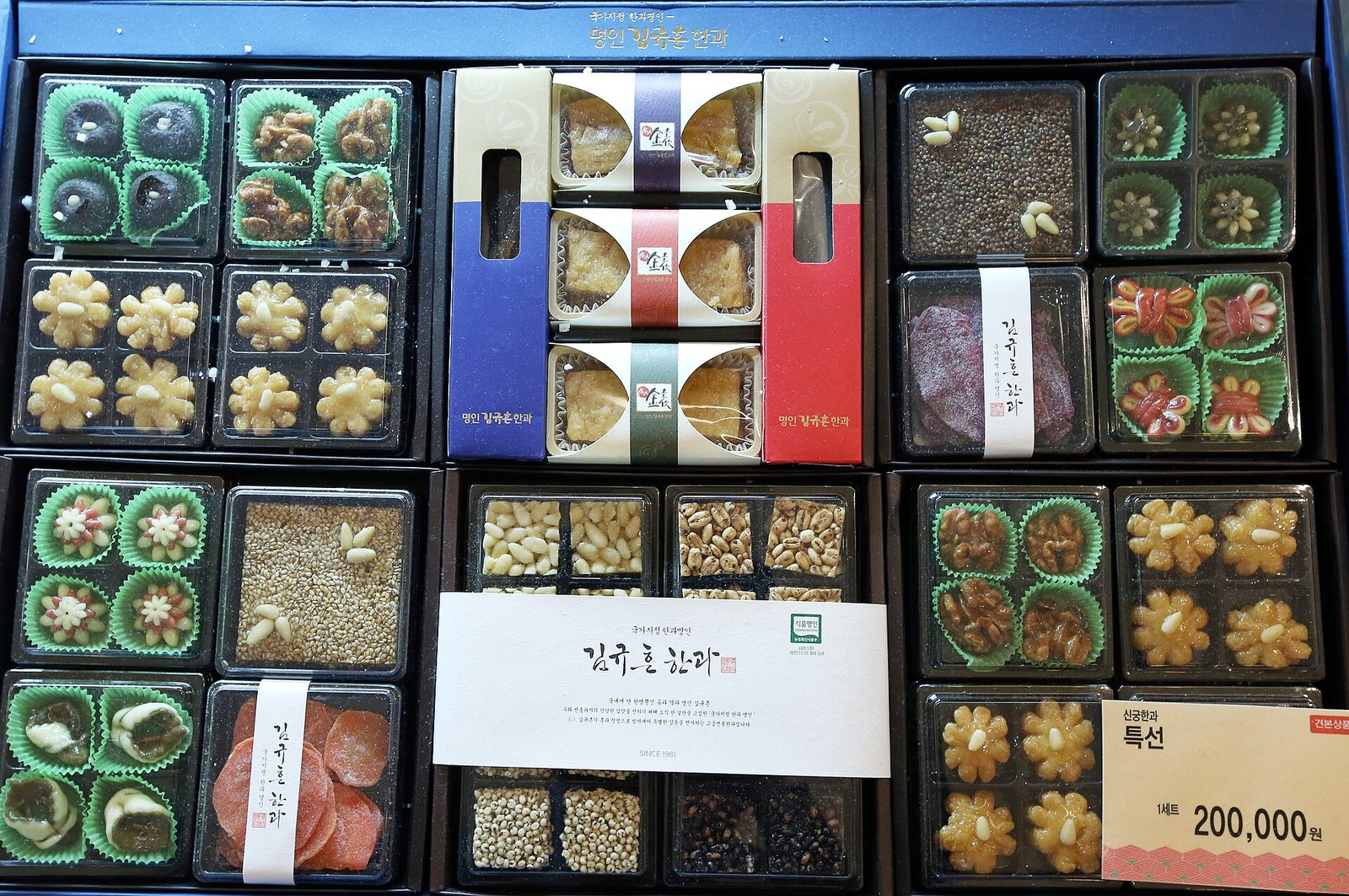
Korean culture values gifts that clearly reflect superior quality, from hanwoo beef and red ginseng to premium seafood. Last Catch 2016 belongs to exactly this category, a product measured not by quantity but by rarity.
II. Provenance and Story
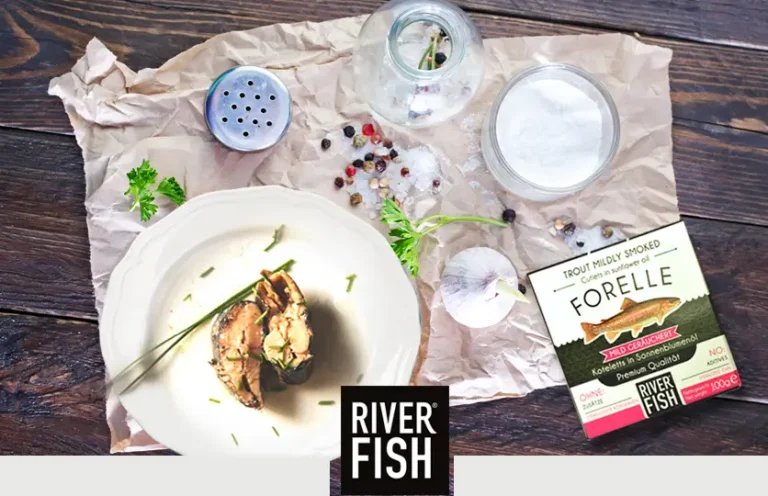
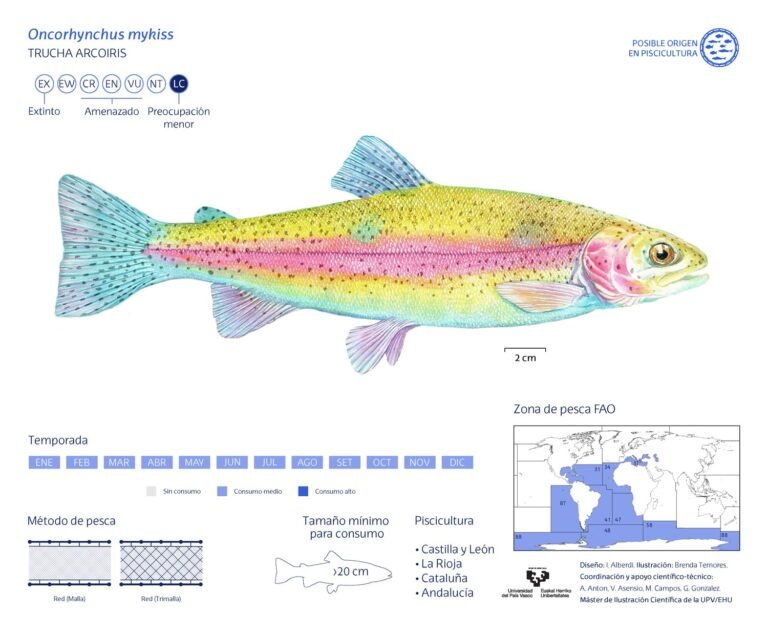
A gift with recognizable origins and a clear story carries far more weight than anonymous goods. Milovan Trišić spent years developing a patented sterilization process without industrial equal. The rainbow trout came from a single lake, fed by mountain spring water. Every tin carries that provenance in every detail.
III. Considered Presentation
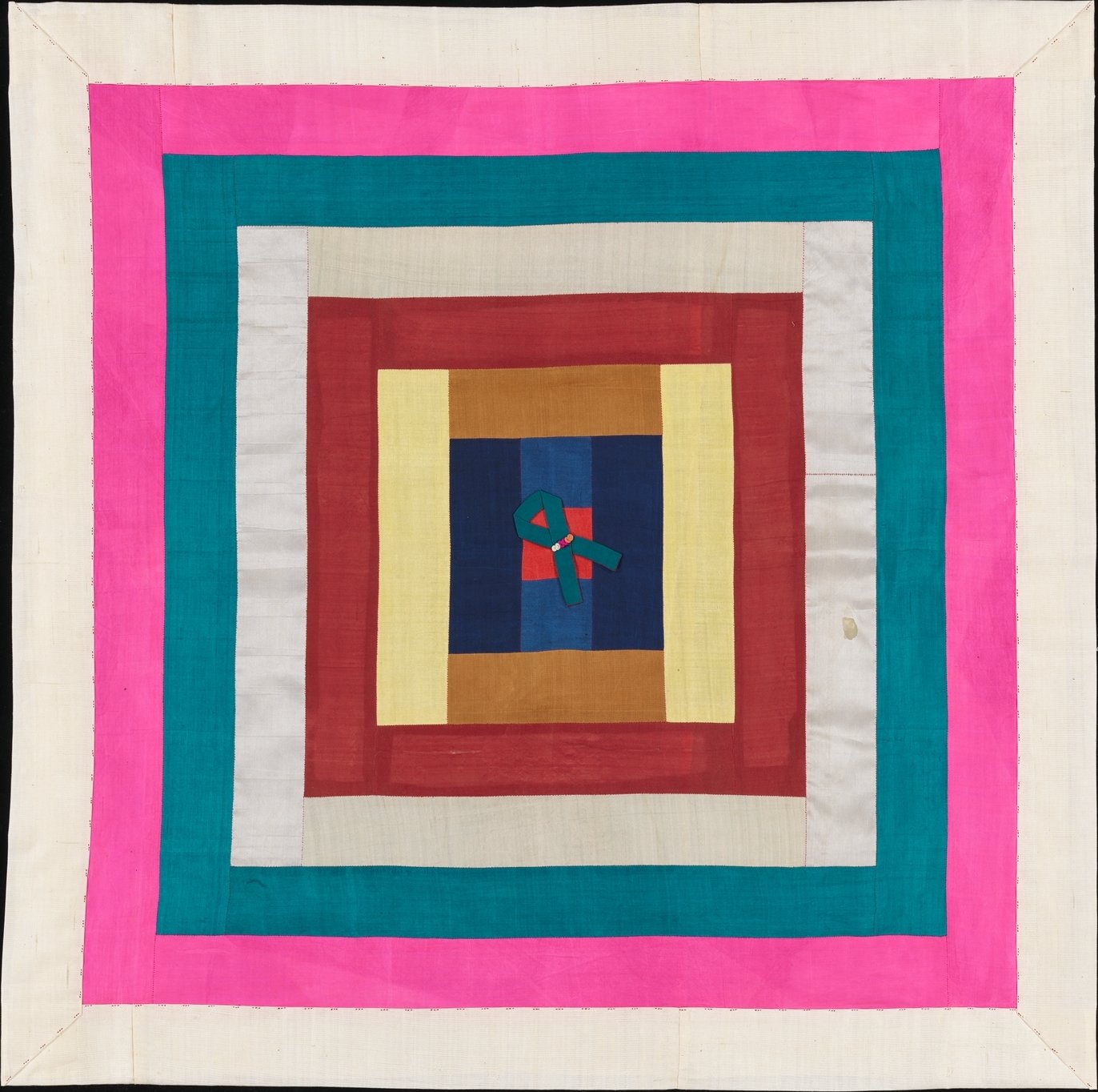
In Korea, gifts are traditionally wrapped in bojagi (보자기), a cloth whose colors carry symbolism of fortune and peace. Presentation is part of the message, never an afterthought. Last Catch 2016 arrives in numbered collector packaging that reflects the status of a relic rather than a pantry item.
IV. Thoughtfulness
The most valued gift is the one that shows the giver thought of the recipient. Rare, documented and impossible to repeat, such a gift expresses exactly what Korean culture prizes most: attention, effort and respect.
Chuseok and Seollal: The Two Great Seasons of Korean Gifting
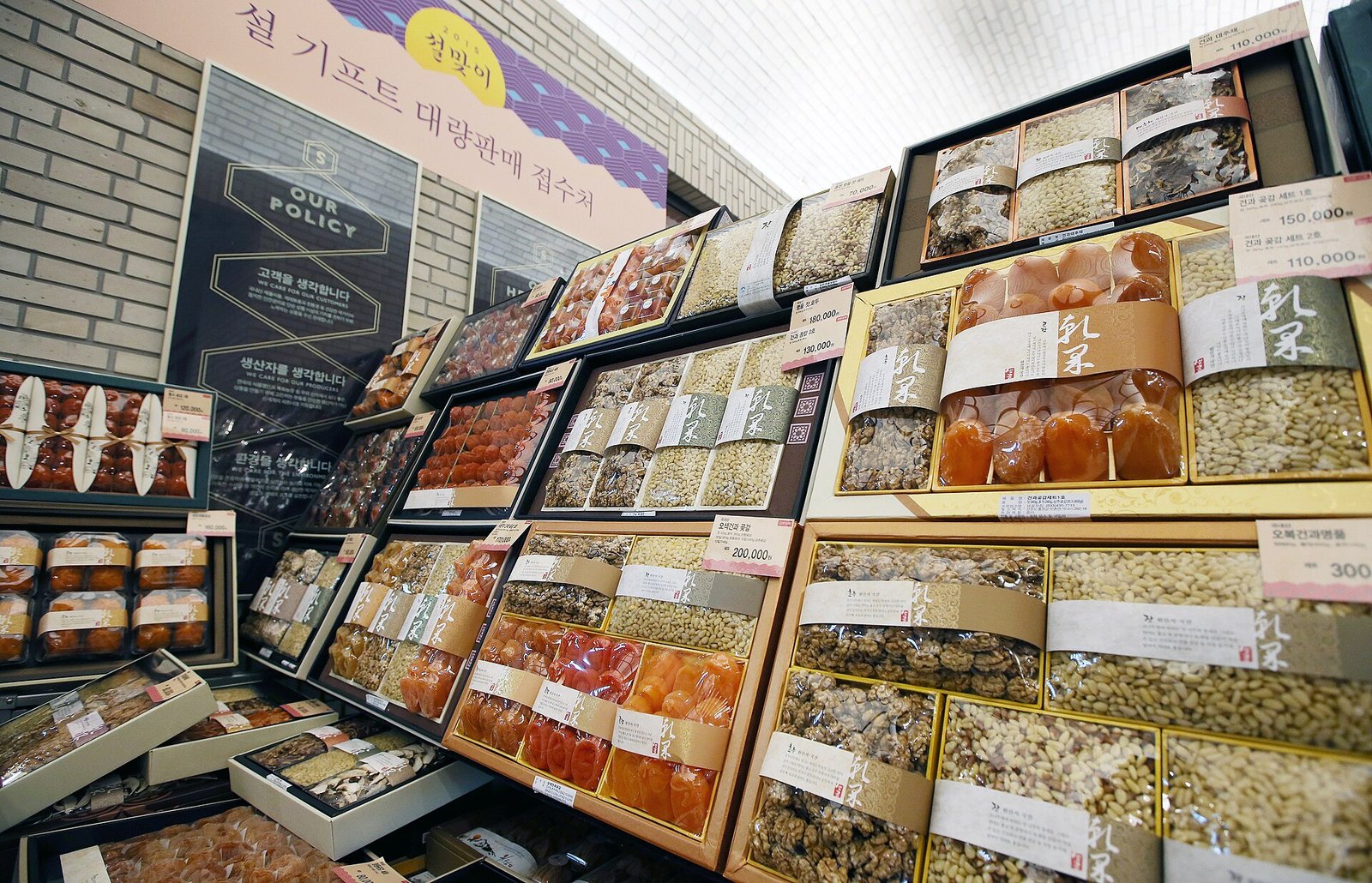
The Korean year holds two great holidays where gift-giving reaches its peak. Chuseok (추석), the autumn harvest festival often called Korean Thanksgiving, is a time of family gatherings and honoring ancestors. Seollal (설날), the Lunar New Year, closes and opens the year with a gathering of the closest. Both holidays have developed an elaborate gift culture, so well established that department stores install dedicated gift-set sections weeks in advance.
The contents of these sets are recognizable: premium hanwoo beef, red ginseng, exceptional fruit and, of particular interest to us, fine dried seafood. In top department stores such as Shinsegae, premium gulbi sets reach prices in the millions of won. In recent years the Korean gift market has polarized ever more clearly: while the middle segment declines, premium and collector gifts post strong growth, as younger generations regard them as a small, deserved luxury.
Last Catch 2016 speaks exactly this language. It is aged, rare, carries a compelling story and exists in strictly limited quantity. For a recipient who values the world of fine food and collecting, it conveys something no mass-market product ever could.
Autumn Gratitude
The harvest festival and family gathering. Premium seafood and aged delicacy sets rank among the most valued choices, as an expression of respect and a wish for the recipient’s health and prosperity.
The Start of the New Year
The Lunar New Year, a moment for a thoughtful gesture toward family, mentors and partners. A collector’s gift of documented provenance and limited stock carries exceptional weight as a Seollal gift.
Korea Already Reveres Aged Fish: Gulbi and the Philosophy of Time
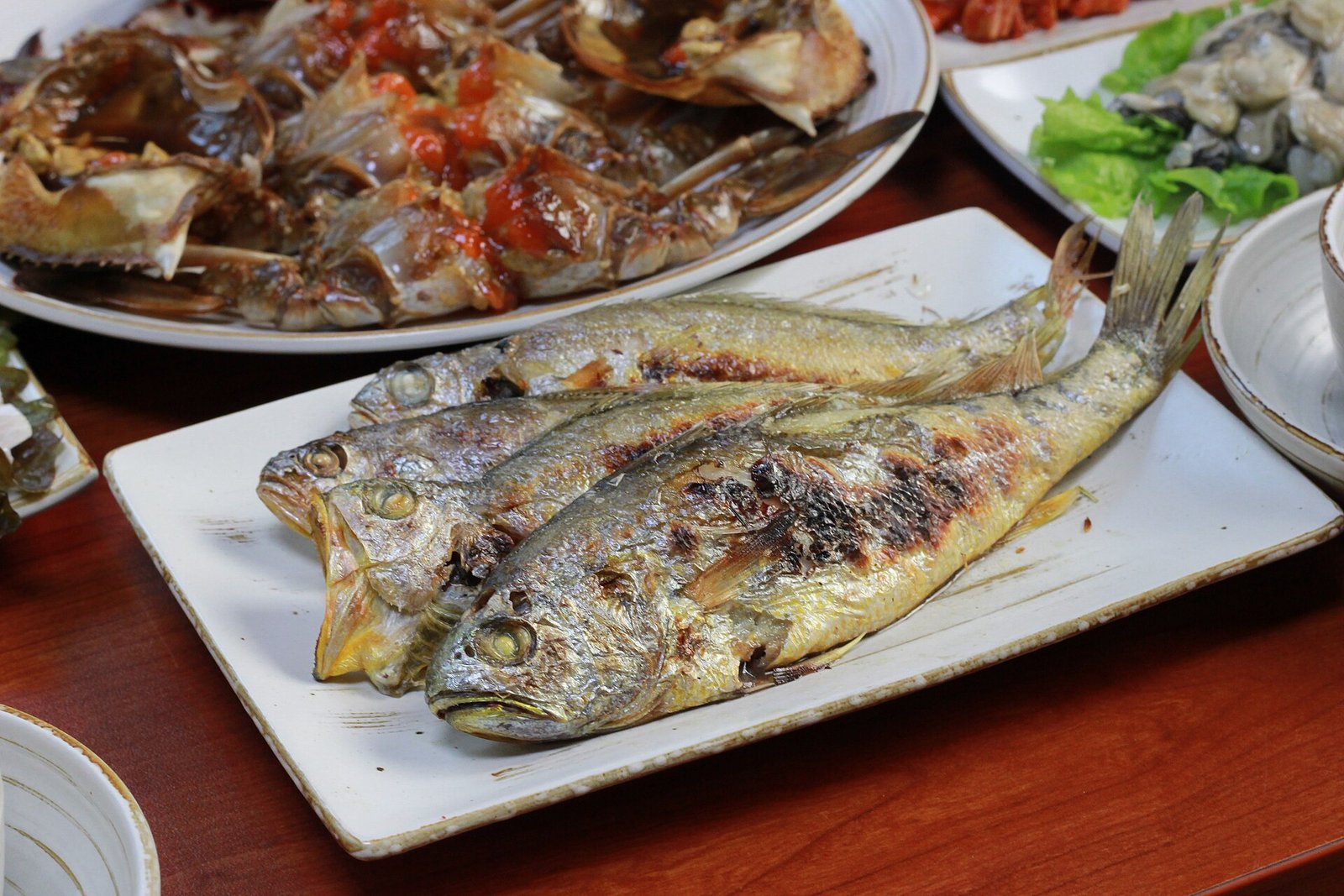
To understand why Last Catch 2016 belongs so naturally on the Korean gift table, one must know that Korea has revered aged fish for centuries. Gulbi (굴비), dried yellow corvina, is one of Korea’s most prized delicacies. The finest comes from Yeonggwang, from the town of Beopseongpo, where the fish is lightly cured with natural salt and then dried in the cold winter sea wind, tied in pairs with straw.
Its most refined form, bori-gulbi (보리굴비), goes a step further: the dried fish ages within grains of barley for months, sometimes years. The barley draws out moisture and oil, softens the saltiness and gives the fish a deep, layered flavor. Once a delicacy reserved for kings and scholars, premium bori-gulbi is still sold today in elegant gift boxes, destined for special occasions and honored guests.
The philosophy is almost identical to the one behind Last Catch 2016. Fish, salt, wind and time join forces to turn a fresh catch into something nobler. Korea, much like the Japanese kanzume culture we explored earlier, understands time as an ingredient rather than an enemy.
Why Last Catch 2016 Is the Ultimate Korean Gift
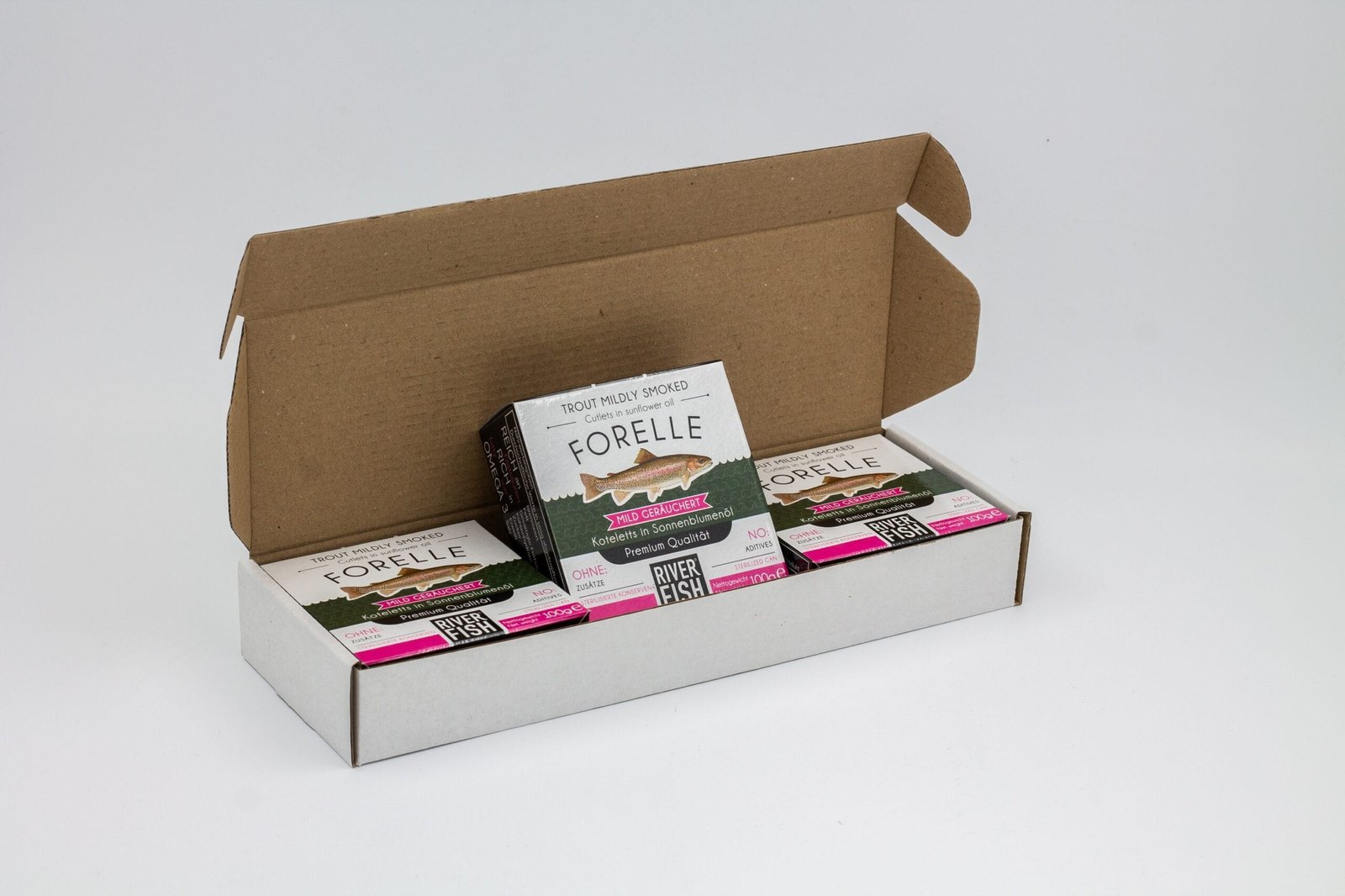
Korea, then, already holds a sophisticated relationship with aged and dried fish. This makes Last Catch 2016 a gift that a Korean connoisseur understands at first glance, yet one that comes from an entirely different geography and carries its own singular story.
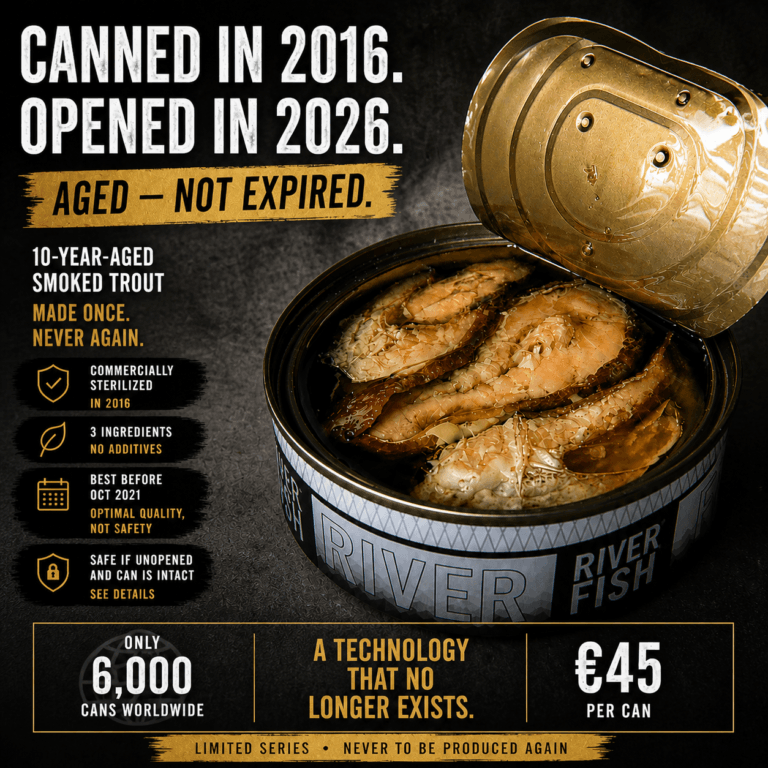
The rainbow trout of Lake Zaovine was processed in October 2016 through a patented sterilization process, a process since lost with the closure of the company. The tin was sealed, and ten years of undisturbed maturation began. The amino acids deepened into an extraordinary umami complexity. The sunflower oil merged with the fish into a harmonious whole that the millésime concept recognizes as a pinnacle. The protein structure reached a tenderness fresh products can never attain.
When a Korean collector opens Last Catch 2016 in 2026, they are not opening an ordinary tin. They are completing a decade of time and receiving a gift that carries jeong, story and respect in a single sealed relic.
“What wine gains through cellar aging, we have achieved through maturation in the can. Time has always been our most precious ingredient.” Milovan Trišić, Founder, River Fish DOO
How to Obtain Last Catch 2016 as a Gift
For givers considering Last Catch 2016 as a gift for Chuseok, Seollal or any occasion worthy of an exceptional present, the following formats are available with worldwide shipping:
One Can · €45
A singular gesture. One can, one story. For the collector who understands rarity, an unforgettable gift.
Three Cans · €129
Three cans together. One to open, two to keep. The ideal format as a gift for a significant partner or mentor.
From 12 units, shipping is free worldwide, making the Archive Edition a practical choice for those gifting within a circle of close colleagues or partners.
Secure Your Last Catch 2016
Only 6,000 cans exist worldwide. No reissue, no restocks. Once this contingent is exhausted, this chapter of culinary history closes forever. For a gift that carries a decade of meaning, this is it.
Explore Last Catch 2016