

Vintage Sardines · Millésime · Breton Tradition
The Vintage Sardine: Brittany’s Art of Ageing Fish Like Fine Wine
In Brittany, certain tins of sardines are treated like grand cru wine: dated by vintage, turned by hand, and aged for years. Discover the world of vintage sardines, and why Last Catch 2016, a ten-year-aged trout from Serbia, is their freshwater cousin.
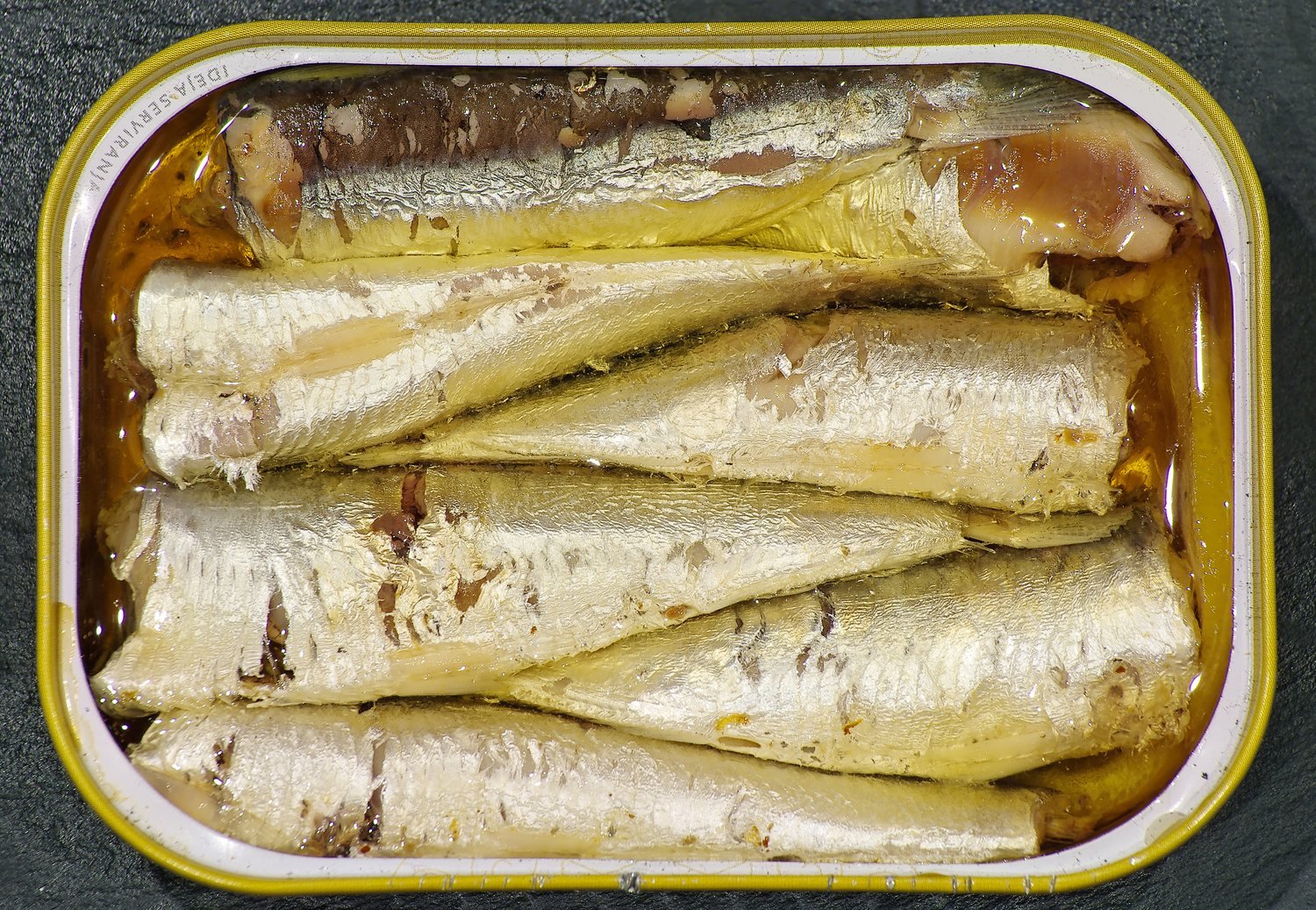
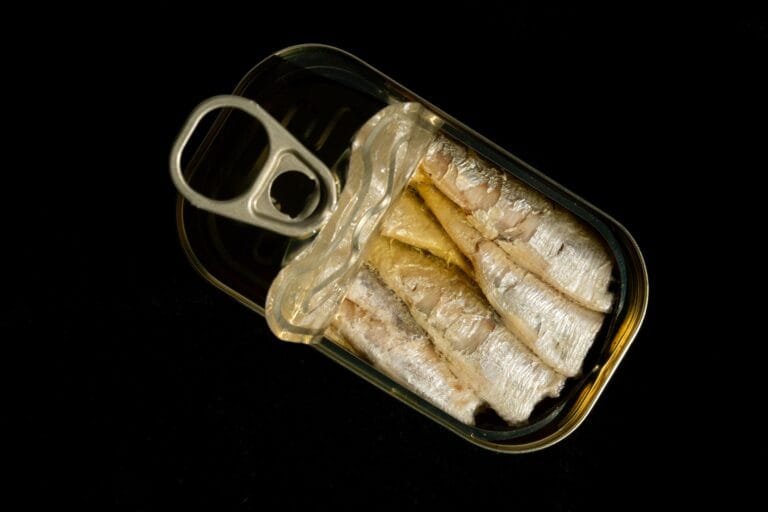
On a shelf in a Breton pantry, a small tin waits. It carries a single year stamped on its lid, and its owner turns it over twice a year, patiently, the way a vintner rotates a resting bottle. This is the world of vintage sardines, where a humble fish becomes something closer to a grand cru. The year is not a marketing flourish: on tins from traditional French brands, the year printed on the front refers to the year the fish were actually caught and packed. The sardine, sealed in oil, is then left to mature.
If our earlier writing on millésime canned fish introduced the idea, Brittany is where the idea grew up. Long before collectors gave it a name, Breton canneries were already treating certain tins as things that improve with rest. To understand vintage sardines is to understand a small, stubborn corner of European gastronomy that refused to hurry.
The year on a true vintage tin is not a best-before date. It is a birth date: the season the fish were caught, and the moment their slow transformation began.
The Birth of Vintage Sardines
Every tin of sardines owes its existence to one man. Sterilisation was invented in 1795 by Nicolas Appert, a French confectioner whose method of sealing food in containers and heating it changed how the world ate. The technique found its natural home on the Atlantic coast.

Everything started at Douarnenez in Brittany, a small port always known for sardine fishing. While the men went out to sea, the women prepared the fish, and it was here that Robert Chancerelle opened the first cannery, the parent company of the Connétable brand. Even today, this region is considered the historic birthplace of French fish canneries, and Connétable itself endures as the oldest operating sardine cannery in the world.

The trade grew into an empire of small factories. At Concarneau alone there were once up to thirty-two canneries. Inside them worked the sardinières, the women known as Penn Sardin, whose hands prepared millions of fish. Their labour was hard and their pay was meagre, and in 1924 they went on strike, an event still commemorated a century later on limited-edition tins. The sardine was, in turn, a luxury, then an everyday staple, then briefly unfashionable. Today it is fashionable once more, welcomed back onto the menus of fine restaurants, much as the lost canneries of the Adriatic are now remembered with new affection.
What Makes Vintage Sardines Special?
Not every dated tin deserves the title. The finest vintage sardines begin with a single species and a single moment. Producers usually rely on Sardina pilchardus, the European pilchard, caught at the peak of its season between July and September, when the fish are naturally fattier and more flavourful. Fat is everything here: to qualify, the fish must have a minimum fat content of around ten percent, because a lean sardine turns hard and dull in the tin.
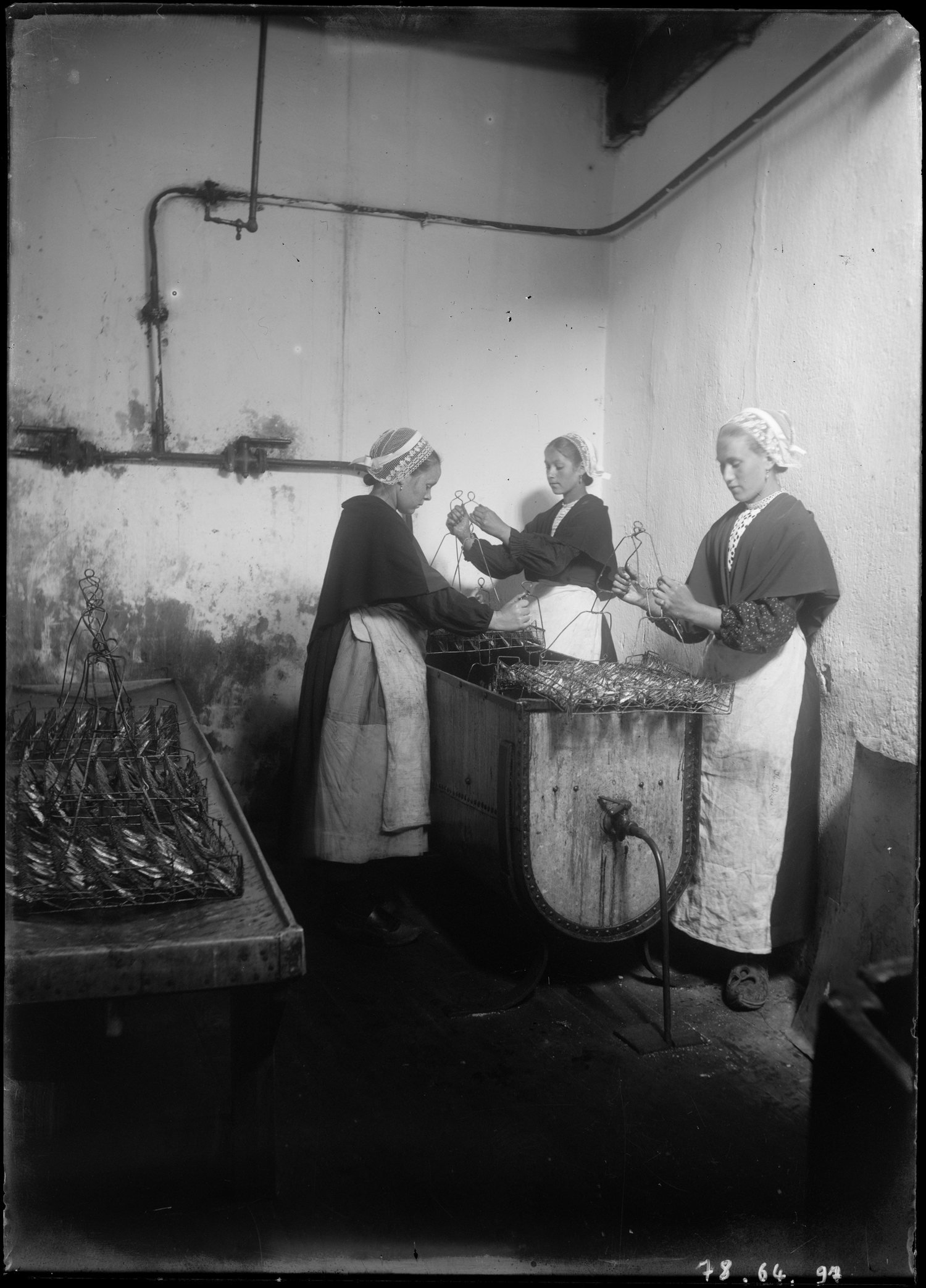
The work that follows is deliberately old-fashioned. Once the fish reach the cannery, many steps are still done by hand, echoing methods from the early twentieth century: heads and guts removed by hand, the fish washed, dried and arranged neatly in tins, briefly fried to firm the flesh, then covered with carefully chosen extra virgin olive oil. That brief frying is not a detail. It helps the fish stand up to years of storage without falling apart, while letting the oil seep into every fibre. The result is a tin built not to be eaten next week, but to be forgotten for years.
How Vintage Sardines Age in the Tin
There is a quiet ceremony at the heart of this tradition. In the old days, tins were soldered by hand and could not be filled completely with oil, so they had to be turned regularly to keep the sardines evenly confited. Modern tins are sealed full, yet the practice of turning them continues, because it still ensures an even confit.
The advice from the cellars is consistent. Turn the tins every four to eight months to help the oil spread evenly through the flesh, keep them away from heat, and resist the temptation to open them. What happens inside is a slow alchemy. As the fish ages, the flesh becomes smoother and more tender until the bones disappear completely. Over months and years the sardines slowly confire in the oil, becoming softer, rounder in flavour and less briny.
And there is a peak. Different opinions exist about the ideal duration, but enthusiasts often say vintage sardines are at their best between five and ten years after the vintage date. This is precisely the logic that governs a fine wine, a noble whisky, and, as we have written before, the forgotten tradition of vintage tinned fish.
The Sardine Cellar: Where Vintage Sardines Rest
Vintage sardines have always drawn collectors, because where there is patience, there are people willing to wait. Enthusiasts of sardine tins have their own names, the puxisardinophiles or clupéidophiles, and they build what the French affectionately call a cave à sardines, a sardine cellar. Passionate connoisseurs make their own reserves, storing dated tins for years so that, like good wine, the sardines get better over time.
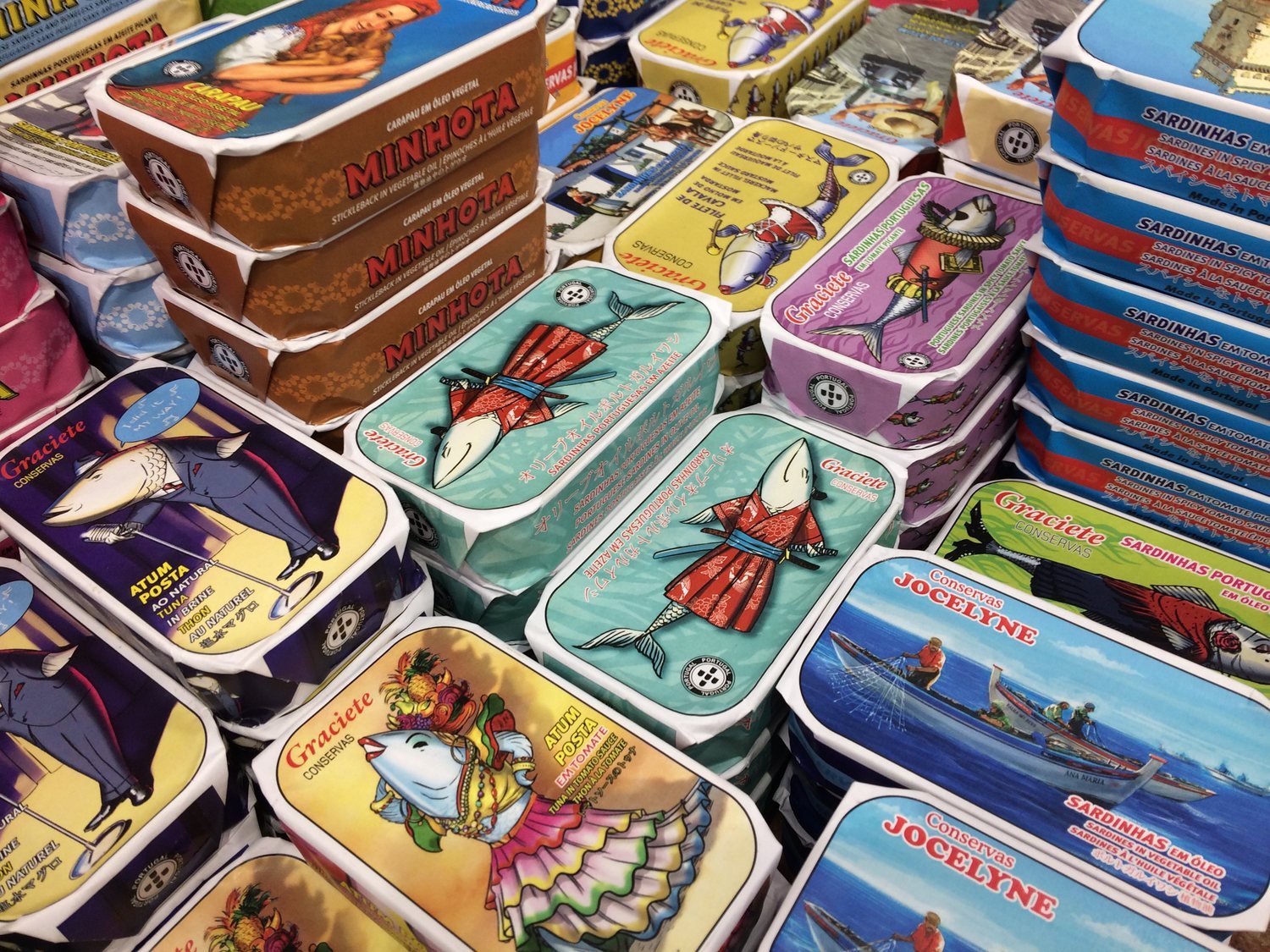
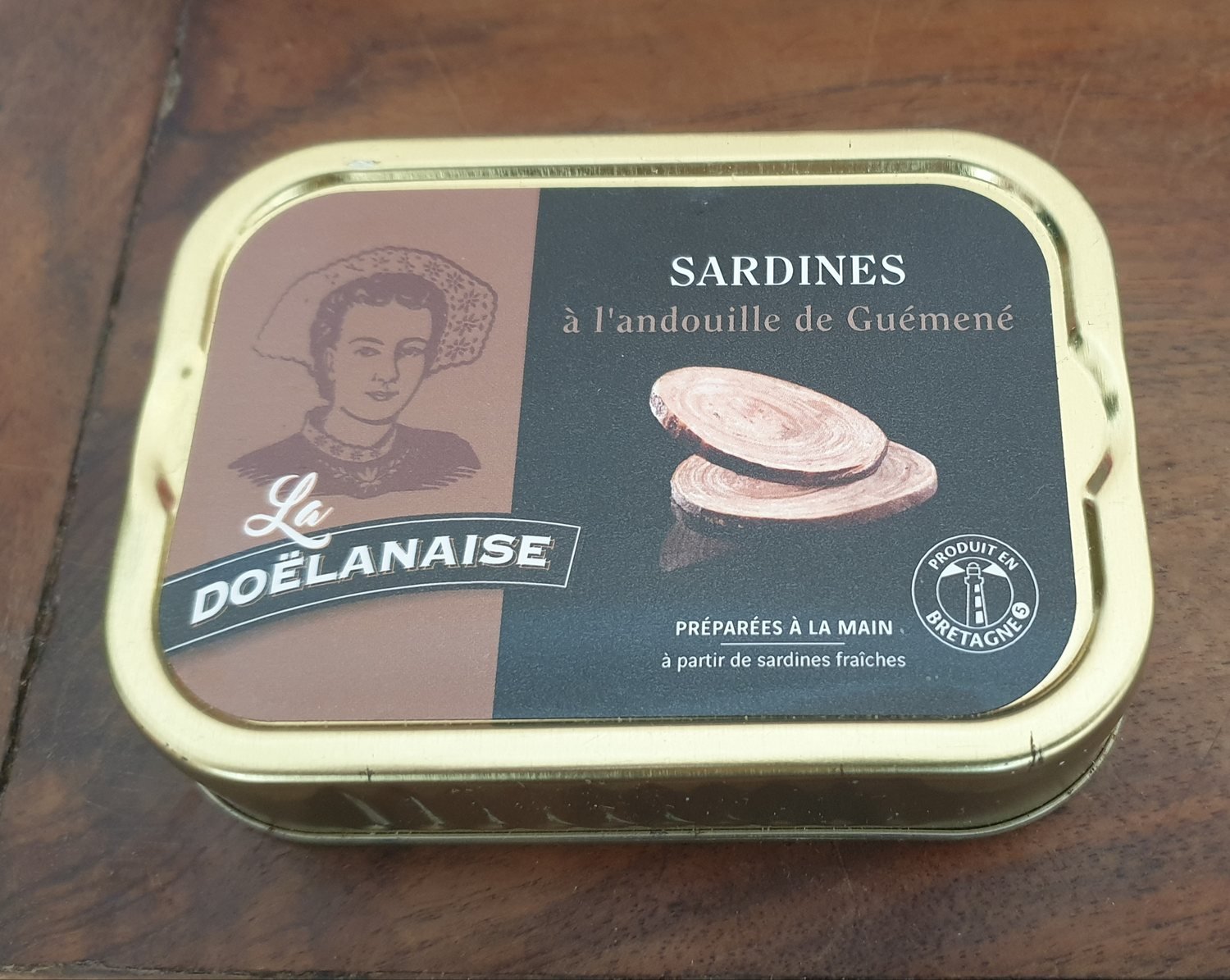
Part of the appeal is the art. To make each vintage unique, canneries collaborate with painters and artists, so that each tin becomes a small limited-edition artwork. Some designs honour local history: the Filets Bleus tins recall the Concarneau festival born in 1902 to support struggling fishing families, while others mark the centenary of the sardinières’ great strike. For the collector, an old tin poses a gentle dilemma. Some own hundreds of tins arranged by year, brand and artist, and opening one becomes an emotional choice: taste the perfectly aged fish, or keep the artwork and its rarity intact.
A word of honesty belongs here. Stories about tins worth a fortune can fuel unrealistic expectations. While some rare tins sell well above their original price, they rarely reach the figures seen with fine wines or watches, and for most people the real reward is gastronomic rather than financial. The pleasure is in the patience.
A Freshwater Cousin from Serbia
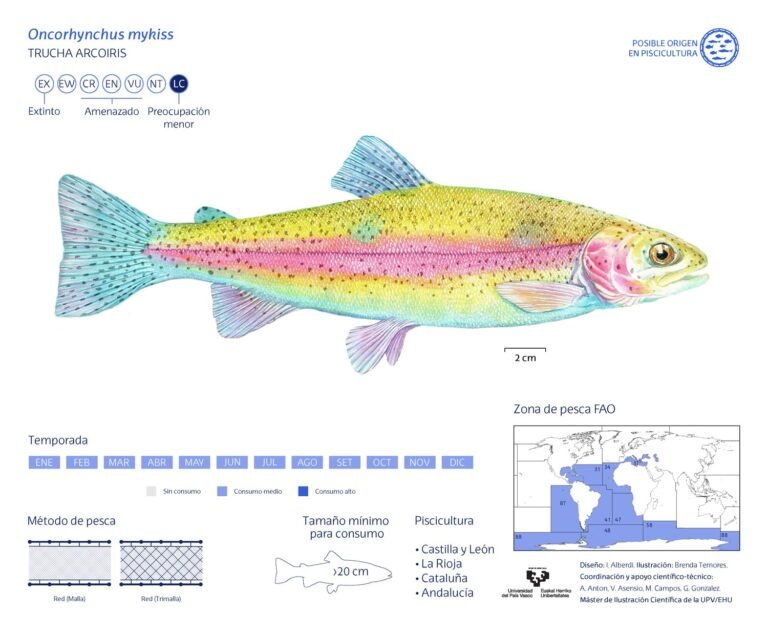
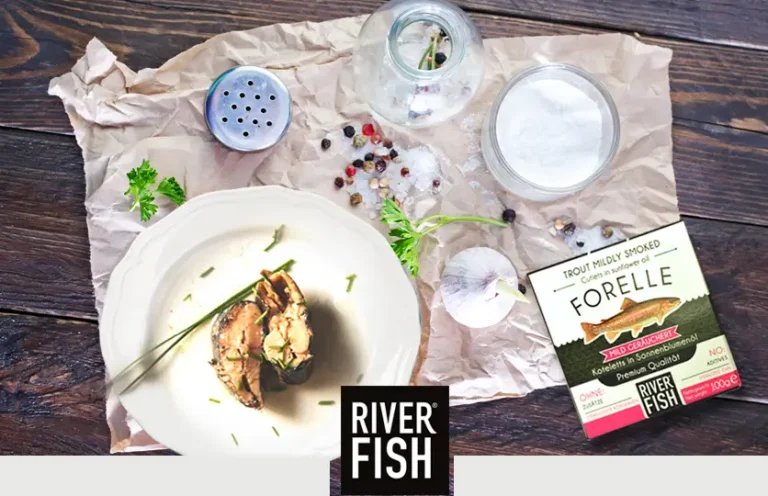
Brittany perfected vintage sardines from the sea. Last Catch 2016 carries the same philosophy into fresh water. Where the Breton tradition ages the pilchard, our tins hold rainbow trout from the alpine depths of Lake Zaovine, lightly smoked, sealed in the autumn of 2016, and left in silence ever since.

The parallels with vintage sardines are almost uncanny. A single year on the lid, the marriage of fish and oil, the slow softening of the flesh, the deepening of umami over a decade of rest. The Breton sardinière turned her tins by hand a century ago for the very reason our trout has been left undisturbed: time, given generously, transforms a good fish into a rare one. Only 6,000 tins remain, and like a great vintage, once they are gone, the year cannot be made again.
“What fine wine gains through years in a dark cellar, this vintage has achieved through sealed maturation. Time has always been our most vital ingredient.” Milovan Trišić, Founder, River Fish
If the sardine cellars of Brittany taught Europe to treasure a dated tin, Last Catch 2016 offers the freshwater chapter of that same story: a vintage you can hold, keep, and one day open.
How to Secure Last Catch 2016
For collectors and gift-givers drawn to the same patience that fills a cave à sardines, Last Catch 2016 is available in three formats, with worldwide shipping:
One Tin · €45
A singular gesture. One tin, one vintage, one story, for the collector who understands that rarity cannot be reissued.
Three Tins · €129
Three tins together: one to open now, two to cellar and turn, so you can taste the same vintage evolve across the years.
The Archive Edition of twelve tins (€480) ships free worldwide, the natural choice for those building a proper reserve of their own.
Secure Your Last Catch 2016
Only 6,000 tins exist worldwide. No reissue, no restocks. Once this final vintage is exhausted, the year cannot be caught again. For a tin that carries a decade of silence, this is the moment.
Explore Last Catch 2016